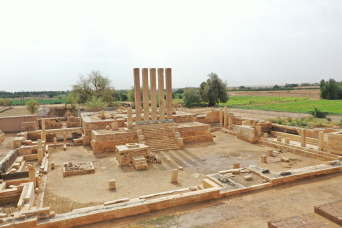
Orla Guerin, a BBC journalist, traveled through Yemen with forces loyal to the country's internationally recognised government to visit a remote desert battlefield. The Houthi rebels had been dislodged from the area just days before her arrival. The trip, reported this week, offers a rare on-the-ground look at a front line that has shifted.
Inside the battlefield visit
Guerin's journey took her with Yemen's southern national security forces to the desert location. The Houthis had been pushed out days earlier, making the site newly accessible to government-aligned troops and, by extension, to reporters. The BBC has not said exactly when the visit took place, but the timing — so soon after the rebel withdrawal — suggests the area remains volatile.
📊 Market Data Snapshot
Such embeds are logistically difficult and rarely happen without close coordination with local military units. The BBC's decision to send a senior correspondent like Guerin signals that the battlefield, however remote, is considered safe enough for a brief media presence. That's a small but real indicator of momentum on the ground.
What the retreat signals
A single battlefield loss doesn't decide a war. But it does tell you something about who holds the initiative in that particular slice of desert. The Houthis have controlled large parts of Yemen for years, and any withdrawal — even from a remote outpost — gets noticed by the government and its backers.
The southern national security forces, for their part, get a chance to show they can take and hold ground. That matters for morale and for the wider political jockeying among Yemen's anti-Houthi factions.
Yemen sits next to the Bab el-Mandeb strait, a chokepoint for global shipping. When Houthi forces lose territory, even in the desert, it can shift calculations about their ability to threaten vessels or project power. That's a slow-moving variable, not an overnight switch, but it's one that oil traders and shipping insurers watch.
For crypto markets, the link is indirect at best. Bitcoin is trading around $83,565, with a neutral sentiment reading and high dominance. A quieter Red Sea could lower the geopolitical risk premium in oil, which in theory supports risk assets. But with volumes low and the market focused on macro and ETF flows, this story alone isn't moving prices. It's background noise for now.
The reporting gap
Most coverage of Yemen's war relies on wire reports and statements from rival factions. A firsthand visit by a BBC correspondent adds something different: a description of the terrain, the forces on the ground, and the aftermath of a specific clash. That kind of detail is hard to get and easy to spin, so it's worth noting when it happens.
The BBC hasn't released a full transcript of what Guerin saw or whom she spoke to. The next concrete step — if there is one — will be whether the government forces can hold the position or whether the Houthis attempt to retake it. That's the immediate question left hanging by the visit.