The fourth anniversary of the Beirut port explosion arrived this week with little public ceremony. The massive blast that killed more than 200 people and devastated much of the capital in 2020 has been pushed from the headlines by a new and intensifying conflict in southern Lebanon.
Fighting along the border with Israel has escalated sharply in recent days. The violence threatens to drag the region into a broader war. Ceasefire efforts, already fragile, now appear even more distant. The situation is undermining any remaining hopes for a political resolution.
Conflict overshadows blast anniversary
For many Lebanese, the port explosion was a symbol of state negligence and corruption. An investigation into the blast has been repeatedly blocked. Now, the country faces a new wave of destruction. Southern Lebanon is seeing some of the heaviest exchanges of fire since the 2006 war. The conflict is not only causing casualties and displacement but also eroding the already weak state institutions.
The timing is particularly painful for victims' families. They had hoped the anniversary would refocus attention on demands for justice. Instead, the news cycle is dominated by the escalating violence along the border.
Regional stability under threat
The fighting in southern Lebanon is not contained. Analysts point to the risk of a broader confrontation involving regional powers. The facts provided indicate that the conflict threatens regional stability. This is not a new concern, but the current intensity of clashes makes it more urgent. The United Nations and other international bodies have called for restraint, but those calls have gone largely unheeded.
The economic fallout is also a factor. Lebanon remains mired in a severe financial crisis. The new conflict adds another layer of uncertainty. Investors are pulling back. The Lebanese pound continues to lose value. The country's already battered infrastructure is taking more hits.
Ceasefire prospects dim
Diplomatic efforts to secure a ceasefire have stalled. Previous rounds of negotiations failed to produce a lasting halt to hostilities. The current escalation makes any near-term agreement seem unlikely. Both sides appear dug in. The international community has been unable to broker a meaningful pause.
The facts state that the conflict undermines ceasefire prospects. That is playing out in real time. Each new round of airstrikes and rocket fire hardens positions. Mediators have little to work with.
Geopolitical market dynamics shift
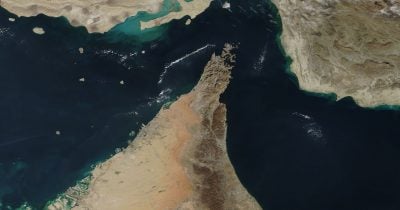
The instability is rippling through global markets. Energy prices have ticked up as traders price in the risk of supply disruptions. The region is a key transit point for oil and gas. Investors are also watching the impact on shipping routes. The facts note that the situation impacts geopolitical market dynamics. That is already visible in cautious trading and increased hedging.
For now, the people of Lebanon are left to cope with overlapping crises. The port blast anniversary is a painful reminder of past failures. The new conflict is a stark warning of what may come. No one is predicting a quick end to the violence.