Betting on a potential Iran conflict hit 26.5% on Polymarket this week, with $45.7 million in trades, as a separate naval clash in the South China Sea left a Philippine sailor injured and drew a sharp rebuke from Washington. The two developments, while not directly connected, underscore a broader escalation in global flashpoints that traders and diplomats are watching closely.
Clash Near Second Thomas Shoal
Chinese and Philippine vessels collided near Second Thomas Shoal, an area long contested in the South China Sea. The Philippine government said one of its sailors was injured in the incident. Manila has since hosted regional talks to discuss the situation, though details of those discussions have not been released. The United States condemned China's conduct, calling it reckless and a threat to stability in the region.
Polymarket Odds Reflect Growing Worry
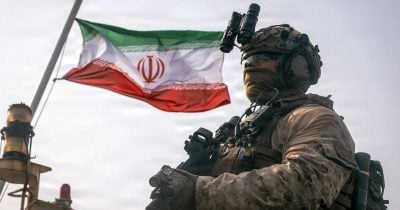
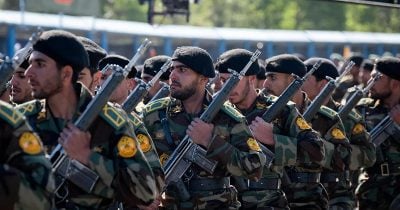
On the prediction market Polymarket, the odds of a conflict involving Iran rose to 26.5% from lower levels earlier this month. The platform has seen $45.7 million in total trading volume on the Iran conflict contract, making it one of the most active political bets on the site. The spike comes amid ongoing tensions in the Middle East, though no single event was cited as the trigger for the increase.
Polymarket users, who bet real money on the outcomes of geopolitical events, often treat the odds as a real-time barometer of perceived risk. The Iran contract's jump suggests a notable shift in sentiment among traders, even as no official government warnings have been issued.
Regional Talks in Manila
Manila is using the aftermath of the clash to push for broader regional dialogue. The talks hosted by the Philippines involve multiple nations, but it remains unclear what concrete steps, if any, will follow. The White House has backed the Philippine position, reiterating its commitment to mutual defense obligations under the 1951 U.S.-Philippines Mutual Defense Treaty. China, for its part, has not publicly commented on the incident or the talks.
The injured sailor's condition has not been disclosed. The Philippine navy has not said whether it will alter its patrol schedules in the area.