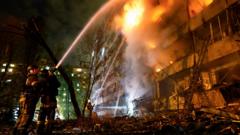
An explosion at the Ras Laffan industrial complex in Qatar has left dozens of people injured, according to sources familiar with the incident. The blast, which struck one of the world's largest centers for natural gas production, is drawing immediate attention to potential vulnerabilities in the global energy supply chain.
The blast and its immediate toll
Emergency crews responded to the scene at the sprawling facility north of Doha. The exact cause of the explosion remains under investigation, and authorities have not yet released details about the specific unit or process involved. Medical facilities in the area have reported treating dozens of casualties, though the full extent of injuries is still being assessed. No fatalities have been confirmed as of this report.
Why Ras Laffan matters globally
Ras Laffan is a cornerstone of Qatar's liquefied natural gas (LNG) production, processing the vast majority of the country's exports. Qatar is one of the world's top three LNG suppliers, and its shipments feed markets across Asia and Europe. Any sustained disruption at the complex could tighten global gas supplies, particularly at a time when many countries are still grappling with energy price volatility. The incident underscores how a single industrial accident can ripple through interconnected energy grids.
Possible market and investor fallout
The blast is already prompting fresh scrutiny of safety protocols at major energy facilities. Investors, who have grown wary of supply-side shocks since the pandemic, may reassess risk premiums on energy assets in the Gulf region. While QatarEnergy has not yet commented on production impacts, traders are watching for any operational updates. If the facility faces prolonged shutdowns, spot LNG prices could rise, compounding pressures on import-dependent economies.
An unresolved question
With investigations still in the early phase, the key unknown is whether the explosion resulted from a mechanical failure, human error, or external factors. The answer will shape how regulators and energy firms around the world respond—whether through tighter oversight, upgraded infrastructure, or revised emergency plans. For now, the focus remains on the injured and the immediate safety of the site.