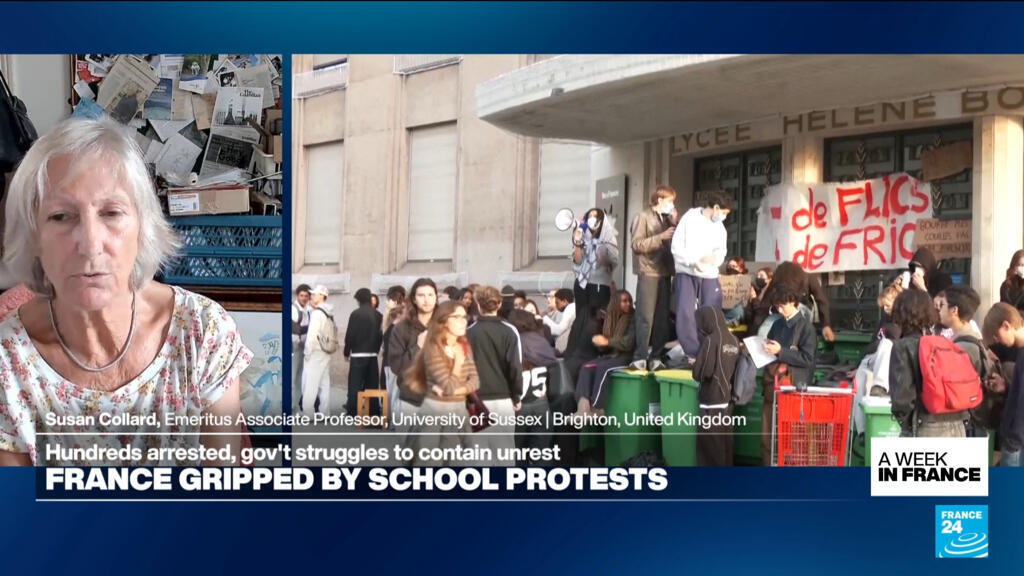
Boulder, Colorado, filed a lawsuit this week against ExxonMobil and Suncor Energy, seeking billions in damages for wildfire destruction. The case, which names both a U.S. and a Canadian company for a single event, is the first of its kind to target cross-border oil majors over climate liability. It landed the same day more than 400 schools closed across France as student protests escalated, and the government's attempts to calm the anger failed.
Boulder's cross-border legal gamble
The suit demands billions from ExxonMobil and Suncor Energy for damage caused by wildfires. What makes it unusual is the pairing: a U.S. municipality going after a domestic major and a foreign one in the same filing. If it succeeds, the template could travel. Other cities, in other countries even, could copy the playbook and expose multinational fossil fuel firms to U.S. courts for local climate harm.
📊 Market Data Snapshot
Legal observers say the outcome may hinge on a technical question: can plaintiffs attribute a specific slice of wildfire damage to each company's historical emissions? If a court accepts proportional liability, that method wouldn't stay confined to oil. It could be applied to any industry with a measurable carbon footprint — crypto mining included. That's the part the industry should watch.
France's schools stay shut
Across France, more than 400 schools didn't open Monday. Student protests kept them closed, and the government's response so far hasn't worked. The anger is about school closures, not climate, but the timing overlaps with Boulder's filing. A youth-led protest movement in one country and a youth-driven climate lawsuit in another don't need a direct link to reinforce a broader narrative: younger voters and investors are pushing harder on environmental accountability.
That matters for capital flows. Younger demographics are more likely to demand ESG-aligned investments, and that includes crypto. Green blockchain projects and carbon-neutral tokens have struggled to gain traction, but a sustained shift in sentiment among younger investors could change that. It's not a straight line, and it's not happening this week.
The crypto angle nobody's pricing
Bitcoin doesn't care about French school closures or Colorado lawsuits. It's trading above $86,000 with a market cap of $1.73 trillion, up 1.4% in 24 hours and nearly 3.7% on the week. Volume is light. Fear & Greed sits at 70 — greed, but not euphoria. High BTC dominance means altcoins are lagging, as usual.
The indirect read is more interesting. If climate litigation becomes a recurring liability for oil majors, those companies might look for assets that are uncorrelated, seizure-resistant, and outside the reach of a courtroom judgment. Bitcoin fits that description. It's a stretch to say ExxonMobil is buying BTC tomorrow. But the logic of hedging legal risk with a non-sovereign asset is the same logic that got other corporates into bitcoin treasuries. It's a demand vector that doesn't show up in ETF flow charts.
There's a flip side. If courts start accepting proportional emissions liability, proof-of-work mining becomes a target. Bitcoin mining's energy use is already a political punching bag. A legal precedent that quantifies climate harm by emissions history could give plaintiffs a roadmap to sue miners. That's a tail risk, not a 2026 story, but it's on the board now.
What to watch
Boulder's case has to survive initial motions before any discovery or trial. ExxonMobil and Suncor haven't responded publicly yet. In France, the government has given no sign it has a plan to reopen schools or placate students. The two stories will likely diverge from here — but both feed the same trend of climate accountability moving from protest signs to court dockets.