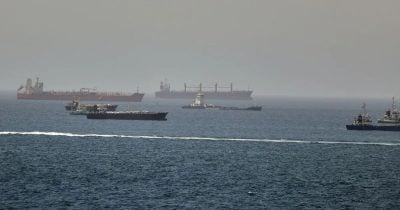
A fire broke out aboard a bulk carrier off the coast of Qatar on Wednesday, sending shockwaves through global oil markets and reigniting concerns over security in the Strait of Hormuz. The blaze, which was still being contained as of Thursday, has disrupted shipping in one of the world's most critical chokepoints for crude and liquefied natural gas. The incident highlights how quickly instability in the narrow waterway can threaten supply chains and push prices higher.
What sparked the fire
Details about the cause of the fire remain scarce. The vessel, a bulk carrier reportedly flagged in Panama, was anchored about 30 nautical miles off Qatar's northeastern coast when the fire erupted in its engine room. Crew members were evacuated safely, but the ship remains adrift, and salvage teams are working to prevent an oil spill. Maritime security analysts say the incident appears accidental, but the location—close to the entrance of the Strait of Hormuz—has drawn immediate attention from naval forces in the region.
Why the Strait of Hormuz matters
Roughly a fifth of the world's oil passes through the Strait of Hormuz, a 21-mile-wide passage between Iran and Oman. Any disruption there tends to trigger an immediate reaction in oil futures. Brent crude jumped more than 3% on Wednesday after news of the fire broke, and trading volumes spiked. The strait has been a flashpoint for years—tanker seizures, drone attacks, and mine incidents have all occurred there. This fire, though not caused by a military action, adds to a pattern of incidents that make insurers nervous and raise shipping costs.
Geopolitical fallout
The fire comes at a time of heightened tensions between Iran and the West, with ongoing negotiations over Tehran's nuclear program stalled. Iran has previously threatened to close the strait in retaliation for sanctions. While there is no evidence linking the fire to any state actor, the mere proximity to the chokepoint has escalated rhetoric. Gulf Arab states have called for a coordinated response to ensure safe passage. Analysts caution that even accidental incidents can spiral if military patrols misinterpret the situation.
Effect on global oil supply
Global oil supply was already under pressure from OPEC+ production cuts and sanctions on Russian crude. The disruption off Qatar has exacerbated fears of a tight market. The bulk carrier was carrying a cargo of iron ore, not oil, but the risk of a spill or prolonged blockage has traders watching closely. If salvage operations take weeks, shipping lanes may need to be rerouted, adding days to transit times. The International Energy Agency said it is monitoring the situation but has not yet considered releasing emergency reserves.
For now, the immediate concern is containment. Qatar's coast guard has set up a safety zone around the vessel, and a salvage team from a Dutch company is due to arrive by Friday. Until the fire is fully out and the ship is either towed or repaired, the Strait of Hormuz remains a question mark on every oil trader's screen.