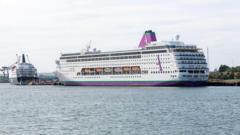
CalMac, Scotland’s state-owned ferry operator, said this week that normal service will resume on its routes after weeks of disruption caused by multiple vessels being out of action. The operator described the past few weeks as “immensely challenging.” For crypto markets, the news is a non-event – but it offers a real-world test of a narrative that’s been gaining traction in blockchain circles.
CalMac’s rapid recovery
The disruption wasn’t minor. Several ferries were sidelined simultaneously, leaving island communities scrambling for alternatives. But within weeks – not months – CalMac got boats back in the water. That speed matters. Centralized infrastructure, even when stretched thin, can recover quickly when the operator has maintenance capacity and a clear chain of command.
📊 Market Data Snapshot
For crypto-native DePIN (decentralized physical infrastructure networks) projects, the pitch is that tokenized, community-owned transport systems are inherently more resilient because they lack single points of failure. CalMac’s rebound suggests that’s not always true – or at least, not urgently needed in regions where public operators already have redundancy built in.
What it says about DePIN
The contrarian take: this episode actually weakens the case for tokenized ferries. If a centralized operator in a developed economy can shake off a multi-boat outage in a few weeks, the argument that “we need blockchain to fix broken infrastructure” loses some steam. Investors in DePIN projects should consider that the speed of centralized recovery can match – or beat – what a DAO-driven fleet might achieve.
That doesn’t mean DePIN is dead. In places where government operators are chronically underfunded or corrupt, tokenized alternatives may still make sense. But Scotland isn’t that place. And crypto media’s reflex to frame every logistics failure as validation of decentralization risks overstating the urgency.
Markets shrug
Unsurprisingly, crypto markets didn’t react. Bitcoin trades with a slightly bearish tilt, fear & greed at 34 (“Fear”), and high BTC dominance keeping altcoins under pressure. No trader is pricing in a Scottish ferry recovery. The event is a reminder that most real-world operational disruptions are temporary and don’t shift the macro forces – inflation, Fed policy, regulatory clarity – that actually drive digital asset prices.
What most coverage will miss is the slow-burn infrastructure angle. If similar failures start hitting cold-climate mining hubs like Norway or Canada – where cheap hydropower and strained logistics overlap – that could nudge operational costs for miners. Not this time, but worth watching.
The carbon footnote: during the outage, passengers likely shifted to road or air travel, temporarily raising emissions. A minor data point for ESG-minded allocators, but not enough to move capital on its own.
The next concrete thing to watch is whether any DePIN project tries to cite CalMac’s disruption as proof-of-concept for its own model. So far, none has. That silence may be the most telling signal of all.