Canadian wildfire smoke is drifting over the World Cup final venue, threatening visibility and air quality for the 80,000 fans expected to attend Sunday’s showdown between Spain and Argentina. The smoke, carried south by shifting winds, has already prompted health warnings in the host city. Organizers are scrambling to adjust plans as the event shines a spotlight on a growing problem: climate risks are no longer a distant concern for large-scale live events.
Why the smoke is a worry
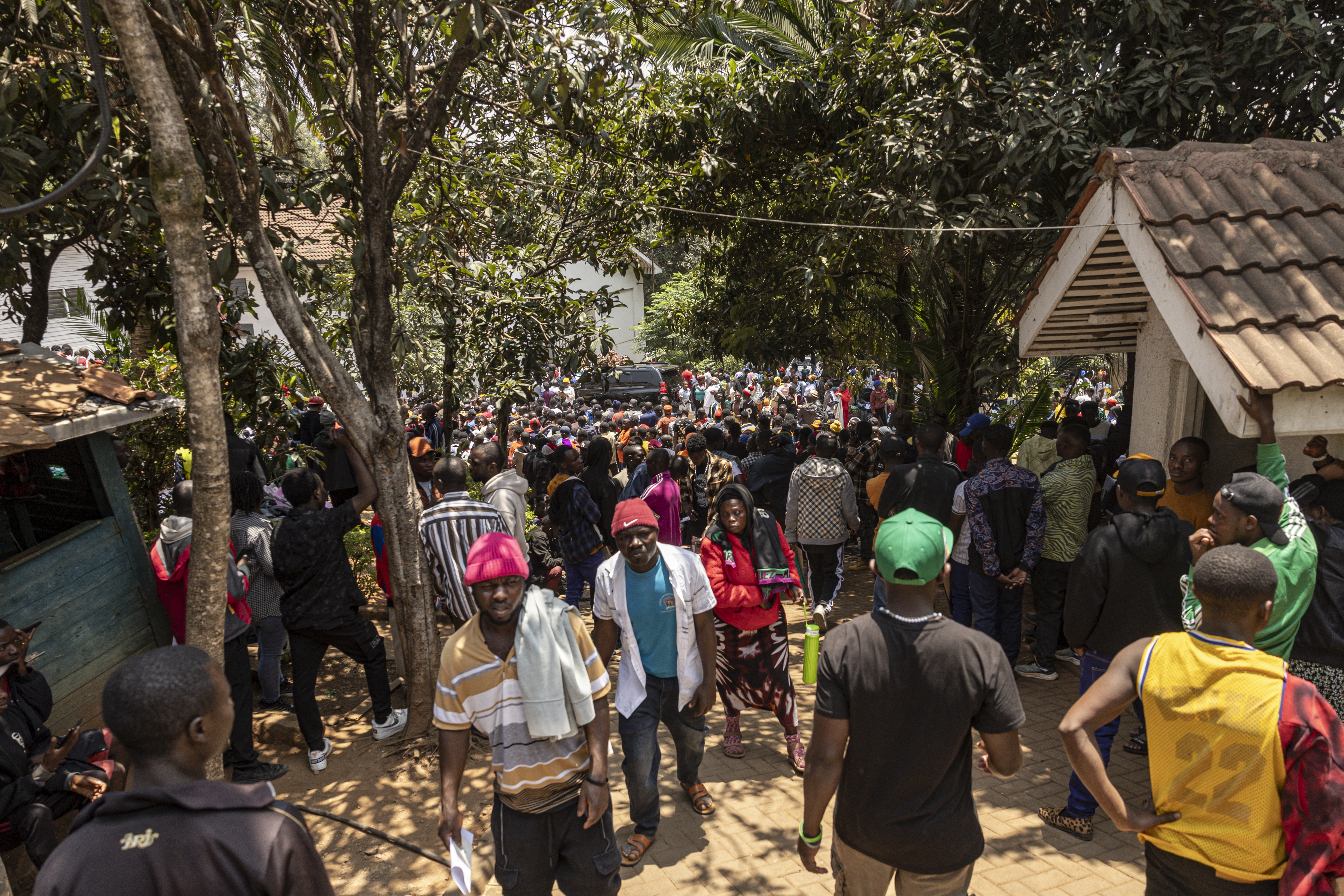
Air quality monitors near the stadium have registered elevated levels of particulate matter. While the match is still scheduled to go ahead, medical teams are on standby. The smoke is a reminder that even a single weather event can disrupt a global sporting spectacle. For the tens of thousands of fans lining up to enter the venue, the hazy skies are a stark contrast to the usual pre-game anticipation.
Climate risk in event planning
This year’s final has forced organizers to confront a question they’d rather not answer: how do you prepare for something you can’t predict? The answer, according to event planners, lies in integrating climate risk assessments into every stage of preparation. From backup air filtration systems to flexible scheduling, the playbook needs to be rewritten. The incident underscores that climate change isn’t just about rising temperatures—it’s about the immediate, tangible effects on public health and safety.
Lessons for future tournaments
Major sports bodies have long focused on logistical risks like terrorism or crowd control. But the smoke from Canada is a new kind of hazard. It’s not tied to the host country’s geography or infrastructure. It can travel hundreds of miles. For future World Cups, Olympics, and other mega-events, the lesson is clear: contingency plans must account for transboundary environmental threats. The cost of ignoring this could be measured in lost ticket revenue, postponed matches, and—more importantly—compromised health.
What happens next is uncertain. Organizers are expected to review their air quality protocols before the final whistle. But the smoke is a sign that the old playbook may no longer be enough.