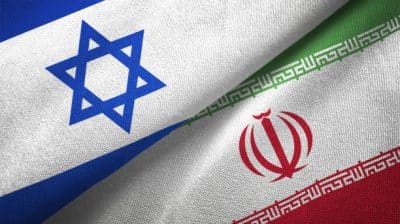
Iran and China have held talks over a potential ceasefire and the reopening of the Strait of Hormuz, a move that comes as tensions between Tehran and Washington continue to simmer. The discussions, which Beijing is mediating, could reshape the region's security landscape and send ripples through global energy markets.
The Mediation Effort
China has positioned itself as a broker between Iran and the United States, offering a diplomatic channel that neither side has publicly embraced. The talks center on halting hostilities and restoring navigation through the Strait of Hormuz, a chokepoint for roughly a fifth of the world's oil supply. For now, the details remain sparse — neither government has confirmed the scope of the dialogue or whether Washington is directly involved.
Strait of Hormuz at Center of Talks
Reopening the strait would be the most concrete outcome. The waterway has been a flashpoint in recent months, with Iranian forces periodically disrupting tanker traffic in response to U.S. sanctions and military posturing. A deal to keep it open would remove one of the biggest risks to global supply chains — and to the insurance and shipping industries that depend on predictable passage.
Impact on Global Oil Markets
Any de-escalation in the strait would likely cool oil prices, which have spiked on every rumor of a closure. A ceasefire doesn't guarantee a price drop — traders will want to see actual tankers moving — but it removes the most immediate threat. China, the world's largest crude importer, has a clear interest in stable energy routes. Its mediation effort is as much about securing its own supply as it is about regional peace.
Reduced Risk of Regime Change
For Tehran, a Chinese-brokered deal offers something beyond economic relief: it lessens the likelihood of U.S.-backed regime change. Washington has long viewed Iran's government as a threat, and the Trump administration's “maximum pressure” campaign was widely seen as seeking the Islamic Republic's collapse. A China-brokered ceasefire would give Tehran political cover and could make any future push for regime change harder to justify.
Whether the talks lead to a formal agreement remains unclear. The parties haven't set a deadline, and the U.S. hasn't publicly endorsed China's role. For now, the discussions continue behind closed doors.