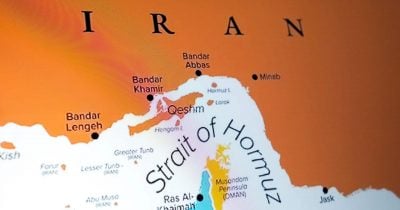
Renewed clashes between Hizbollah and Israel are casting doubt on plans to reopen the Strait of Hormuz, a critical chokepoint for global oil shipments. Regional tensions, already high, now risk escalating into supply disruptions that could ripple through world energy markets and economic stability.
The Strait of Hormuz in the crosshairs
The strait, a narrow passage between the Persian Gulf and the Gulf of Oman, handles roughly a fifth of the world’s oil consumption. Plans to resume full transit there had raised hopes for steadier crude flows. But the latest fighting between Hizbollah and Israel has put those plans in jeopardy. Neither side has commented directly on the strait’s status, but analysts tracking the region say the violence makes a coordinated reopening unlikely in the short term.
How the fighting affects oil supply
Any disruption at Hormuz could cut off millions of barrels per day. Even the threat of trouble can push prices up. The clashes themselves are not in the strait, but the broader instability they create is the problem. Ships, insurers, and oil traders watch for signs that the waterway might become unsafe. So far there’s no official closure, but the risk premium is already baked into some contracts.
Economic stability under pressure
Higher oil prices feed into inflation, which central banks have been fighting for years. A sustained spike would hit importing nations hardest—those in Asia and Europe that rely on Gulf crude. The International Energy Agency has warned that spare capacity is thin. With fighting flaring, the margin for error shrinks. Governments are monitoring the situation, but no public contingency steps have been announced.
The immediate question is whether the clashes will escalate further. If they do, the strait’s reopening could be postponed indefinitely. For now, the world waits to see if the fighting cools or spreads.