A multinational coalition is conducting military exercises near Ukraine's border, signaling continued deployment readiness, while a prediction market places the probability of a ceasefire by the end of 2026 at just 36.5%. The drills come as the conflict approaches its fourth year with no diplomatic breakthrough in sight.
Military drills and deployment posture
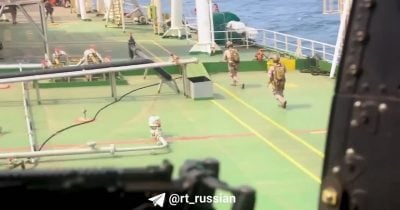
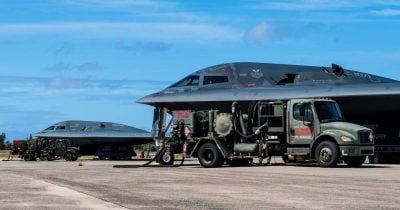
The exercises, which began in recent days, involve troops from several allied nations. According to the coalition, the drills are focused on rapid deployment and coordination in a regional crisis scenario. The location — just outside Ukraine's western frontier — underscores the ongoing concern about potential escalation. Coalition officials did not specify the exact number of personnel or duration of the exercises, but described them as part of a regular rotation of readiness activities.
This is not the first such drill near Ukraine since the war began. But the timing is notable: the coalition's deployment readiness has been a recurring theme as Western allies weigh continued military aid and training. The drills aim to ensure that forces can respond within hours, not days, if needed. A coalition statement emphasized that the maneuvers are defensive in nature and not intended to provoke any adversary.
Ceasefire probability on prediction markets
Separately, a popular prediction market — where users bet on real-world outcomes — now shows a 36.5% chance that a ceasefire in Ukraine will be in effect by December 31, 2026. The market, which has been running for months, has seen the probability fluctuate between 20% and 40% over the past year. The current figure suggests that traders see a ceasefire as possible but far from likely within the next two and a half years.
Prediction markets have a mixed track record on geopolitical events, but they are often cited as a real-time gauge of sentiment. The 36.5% level is roughly in line with the cautious outlook from many diplomatic observers, who note that neither side appears ready to make significant concessions. The market does not specify the terms of a potential ceasefire, only that a formal cessation of hostilities would be declared.
How the drills and the odds fit together
The simultaneous occurrence of the drills and the low ceasefire probability is not a coincidence of schedule — it reflects the reality of a conflict that remains frozen in many ways. While the coalition prepares for the possibility of a wider war, investors and traders are betting that peace remains a distant prospect. The drills send a message of deterrence, while the market numbers suggest that deterrence has not yet translated into a political settlement.
There is no direct link between the exercise and the prediction market, but both provide a window into how different actors — military planners and financial speculators — are assessing the same situation. The coalition's stated goal is to be ready for any contingency, and the market's odds indicate that the most likely contingency is continued fighting.
The next major milestone for the peace process comes in early 2025, when a new round of U.N.-brokered talks is tentatively scheduled. Until then, the drills will continue, and the market's 36.5% probability will be tested by events on the ground.