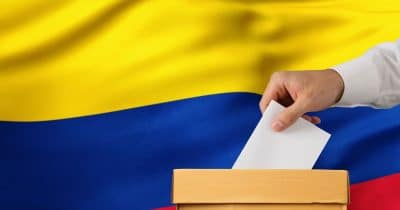
Colombia's internal conflict is boiling over just weeks before the presidential election, forcing candidates to confront a surge in violence that threatens to upend the country's fragile peace process. The outcome of the vote could redefine Colombia's approach to ending decades of fighting, with ripple effects for regional stability, the economy, and foreign investment.
Violence on the Campaign Trail
Attacks by armed groups have spiked in rural areas, hitting communities that were already scarred by the long war. Candidates are now scrambling to adjust their platforms as voters demand security above all else. The violence has narrowed the campaign debate, pushing issues like health care and education to the background.
Some candidates are calling for a tougher military response. Others argue that the only path to lasting peace is to revive stalled talks with rebel factions. The divide is sharp, and the stakes are high.
Peace Accord Under Pressure
The 2016 peace deal with the Revolutionary Armed Forces of Colombia (FARC) was supposed to end the conflict. But dissident factions never laid down arms, and new armed groups have filled the vacuum. The current government has struggled to implement key parts of the accord, including land reform and rural development.
Whoever wins the presidency will have to decide whether to double down on the deal or shift toward a more militarized strategy. That choice will shape Colombia's relationship with the United States, which has provided billions in aid, and with neighboring countries like Venezuela, where the conflict sometimes spills over.
Economic and Investment Fallout
The uncertainty is already spooking investors. Colombia's peso has weakened, and foreign direct investment has slowed. If the next president cannot contain the violence, the country could face a downgrade from credit rating agencies, raising borrowing costs.
On the other hand, a credible peace strategy could unlock new opportunities. Mining and energy companies have long eyed Colombia's untapped resources in conflict zones. But they need security guarantees. The election will signal whether those guarantees are likely to materialize.
Regional stability is also in the balance. Colombia's conflict has historically destabilized its neighbors, driving refugees into Ecuador and Venezuela. A prolonged surge in violence could reignite cross-border tensions.
The election is now less than a month away. Polls show a tight race, and no candidate has a clear majority. The question hanging over the campaign is simple but brutal: can any leader deliver both security and peace, or will Colombia be forced to choose?