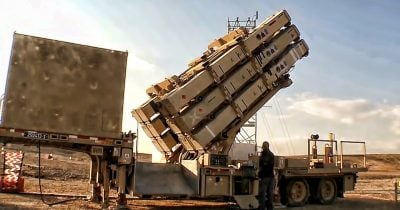
The US launched airstrikes on Iran this week, escalating a conflict that now threatens global oil shipments through the Strait of Hormuz. Tehran's vow to blockade the strait has rattled financial markets, and crypto is no exception. Traders are watching for signs of a flight to Bitcoin or a broader sell-off as geopolitical risk hits a new high.
Strait of Hormuz in the Crosshairs
The Strait of Hormuz is a narrow waterway that carries about a fifth of the world's oil. Iran's threat to block it isn't new, but this time it comes after direct US military action. The risk of a real blockade — even a temporary one — could send oil prices soaring and fuel inflation globally. For crypto, that's a double-edged sword: higher inflation might drive some investors toward Bitcoin as a hedge, but it could also trigger a broader risk-off move that drags down all assets.
Crypto's Response to Geopolitical Shock
So far, the crypto market has been jittery. Bitcoin and major altcoins have seen choppy trading as news of the airstrikes broke. Some traders are moving funds into stablecoins, a classic sign of caution. Others are betting that geopolitical turmoil will eventually boost crypto adoption in regions hit by currency instability. But with no clear direction, the market is in a wait-and-see mode. The potential for volatility is high — and that's the only thing anyone agrees on right now.
Oil Prices and the Ripple Effect
The Strait of Hormuz threat isn't just about oil. It's about the global economic stability that underpins all markets, including crypto. If oil prices spike, central banks may tighten policy faster, which could drain liquidity from risk assets. Crypto, still a high-beta play, would likely feel that pinch. On the flip side, a prolonged crisis could weaken faith in fiat systems, a narrative that has historically benefited Bitcoin. But for now, the immediate risk is uncertainty — and markets hate that more than anything.
What comes next depends on whether the blockade threat becomes real. If Iran follows through, expect a sharp reaction across all markets. If diplomacy steps in, the tension could ease just as quickly. Either way, crypto traders are strapped in for a bumpy ride.