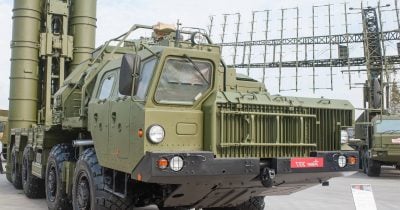
The depletion of US weapons stockpiles is undercutting President Trump's leverage with Iran, potentially limiting the military options available to the administration and forcing a recalibration of its diplomatic strategy. The shortfall now threatens to alter the dynamics of the standoff between Washington and Tehran, a shift that could have far-reaching consequences for the region.
A thinning arsenal
The United States has long relied on its military superiority as a cornerstone of its foreign policy. But with stockpiles running low, that advantage is no longer as assured as it once was. The exact scope of the depletion remains unclear, but the impact is already being felt in the administration's approach to Iran.
Without a robust arsenal, the threat of military action carries less weight. That could embolden Tehran in negotiations, knowing that the US has limited ability to follow through on its warnings. The administration may have to lean more heavily on diplomacy and economic pressure, but those tools have their own limits.
Military options narrow
The reduced stockpiles directly constrain the range of military responses available to the president. Airstrikes, missile launches, and other kinetic operations require a steady supply of munitions and equipment. With inventories stretched thin, the Pentagon would face difficult choices about where to deploy its remaining resources.
This doesn't mean the US is powerless, but it does mean that any military engagement would come with higher risks and greater costs. The administration would have to weigh the potential benefits of action against the strain it would place on an already depleted arsenal.
Diplomatic leverage shifts
In negotiations, leverage is often about credibility. If Iran's leaders believe the US is unlikely to use force, they have less incentive to make concessions. The depleted stockpiles undermine that credibility, giving Tehran a stronger hand at the table.
The administration's diplomatic strategy may need to adapt accordingly. Instead of relying on the implicit threat of military action, it might have to emphasize other forms of pressure, such as sanctions and international isolation. But those measures have proven slow to produce results in the past.
The coming weeks will show whether the depleted stockpiles force a change in strategy. The administration faces a delicate balancing act: it must project strength while acknowledging the limits of its military readiness. How it navigates this tension will likely define its approach to Iran in the near term.
For now, the situation remains fluid. The president's options are narrower, but not nonexistent. The question is whether the administration can find a way to maintain its position without the full weight of its military behind it.