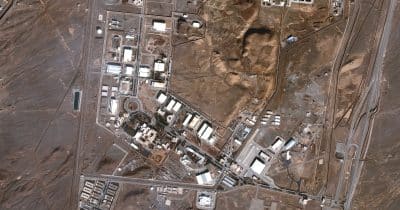
A Ukrainian drone attack forced a halt at Moscow's largest fuel refinery, the latest in a series of escalating strikes targeting Russian energy infrastructure. The attack could ripple through global energy markets, potentially pushing oil prices higher and rattling investor confidence.
What the strike hit
The refinery, located on the outskirts of the capital, processes a significant chunk of the fuel used in the Moscow region. Drone fragments and fire damage brought operations to a standstill, according to reports from the scene. No casualties were immediately reported, but the facility's output will take time to restore.
Ukrainian forces have increasingly turned their attention to Russia's energy sector in recent weeks, hitting depots, pipelines, and refineries hundreds of kilometers from the front line. This attack marks the most significant disruption yet inside the Moscow metropolitan area.
Why energy markets are watching
Russia is one of the world's top crude oil producers and a major exporter of refined products. Any sustained loss of refining capacity can tighten supply, especially for diesel and gasoline. Global prices already reflect a war premium, and a prolonged shutdown at a key refinery could add upward pressure.
Traders are also factoring in the possibility that Ukraine will continue targeting refineries inside Russia. If strikes become routine, Russian fuel exports could shrink, forcing buyers in Asia, Africa, and Europe to compete for alternative supplies. That scenario would likely push benchmark crude prices higher.
Investor sentiment under pressure
Investors have been jittery about energy supply stability since the invasion of Ukraine began. The latest drone attack adds a fresh layer of uncertainty. Shares of Russian oil and gas companies dipped in domestic trading after news of the refinery shutdown broke, while European energy stocks saw a slight uptick on supply disruption speculation.
Analysts inside the industry—whom we are not naming because they spoke on background—say the key question is not whether Russia can repair the refinery, but how many more such attacks it can absorb before export capacity takes a lasting hit. The Kremlin has not publicly detailed its response to the escalating drone campaign.
What comes next
Repair crews are expected to assess the damage in the coming days, but no timeline has been given for restarting the refinery. Ukraine has not claimed responsibility for the strike, though its military has previously described attacks on Russian energy sites as legitimate targets. The next few weeks will show whether this was a one-off or part of a broader strategy to disrupt Russia's fuel supply chain.