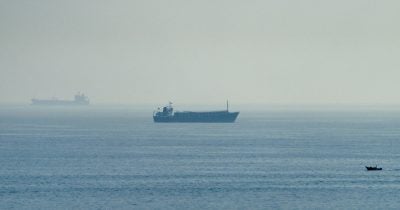
A dry bulk vessel was hit by a projectile near the Strait of Hormuz, maritime security sources confirmed. The incident occurred in a critical chokepoint for global oil and gas shipments, raising immediate concerns about the safety of commercial shipping in the region.
Details of the attack
The ship, whose name and flag were not immediately disclosed, was struck while transiting waters close to the Strait of Hormuz. Maritime security sources said the projectile caused damage but did not specify the extent or whether there were any casualties. No group has claimed responsibility for the attack, and investigations are underway.
The Strait of Hormuz, a narrow passage between the Persian Gulf and the Gulf of Oman, is one of the world's most strategically important waterways. Roughly a fifth of the world's oil passes through it daily. Any disruption to shipping there can send ripples through global energy markets.
Regional tensions and shipping risks
The attack comes amid heightened tensions in the region. In recent years, several vessels have been targeted near the strait, often blamed on Iran or its proxies, though Tehran has denied involvement in many cases. The latest strike is likely to renew calls for stronger naval patrols and better protection for commercial ships.
Maritime security firms have warned that the risk of further attacks remains high. Shipping companies may now reroute vessels or demand higher insurance premiums for voyages through the area. The dry bulk sector, which carries commodities like grain, iron ore, and coal, is particularly vulnerable because its ships often lack the defensive systems found on military or oil tanker vessels.
What happens next
Investigators are working to determine the type of projectile used and its origin. The ship's crew is expected to provide statements, and the vessel may need to dock for repairs. No official statement from any government or international body has been released yet. The incident is likely to be discussed at upcoming maritime security meetings, and shipping industry groups are monitoring the situation closely.