European nations are pushing to take the lead in clearing mines from the Strait of Hormuz—a move that could redraw geopolitical alliances and speed up the region's economic recovery. But the entire plan hinges on a single variable: US approval.
Why Hormuz matters
The strait is a narrow chokepoint that carries about a fifth of the world's oil supply. Mines laid during past conflicts and recent tensions have made parts of the waterway impassable. Insurance premiums for tankers have soared, and some shippers are rerouting cargoes, adding costs and delays. European officials say a coordinated demining effort is the fastest way to restore full traffic.
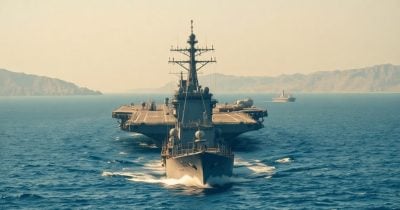
Who would actually do the work hasn't been announced. The operation would likely involve naval engineers, specialized contractors, and support vessels from several European Union member states. The European leadership role would be a departure from the usual US-led security arrangements in the Gulf.
Geopolitical realignment
If Europe takes charge of clearing the strait, it could shift the balance of influence in the region. Gulf Arab states, heavily dependent on oil exports, have long relied on American naval power to keep the route open. A European-led mission could offer those states an alternative partner, potentially loosening the US grip over Gulf security matters.
For Europe, the reward would be greater strategic autonomy—something leaders have talked about for years but rarely achieved. A success in Hormuz would demonstrate that the EU can project power and solve complex security problems outside its borders.
Economic recovery at stake
The economic logic is straightforward. Clearing the mines would lower shipping costs, stabilize oil prices, and restore investor confidence in Gulf economies. Countries like Saudi Arabia, the UAE, and Iraq are counting on steady oil revenues to fund post-pandemic recovery plans. Delays in demining mean continued uncertainty for energy markets.
European companies that specialize in underwater survey, remote-operated vehicles, and explosive ordnance disposal stand to gain substantial contracts. So do ports and logistics firms on both sides of the strait.
The US veto
None of this can happen without Washington's blessing. The US Navy maintains the Fifth Fleet in Bahrain and has long treated the Gulf as its own theater of operations. Any European-led mission would need coordination—and permission—from the US military command.
American officials have not publicly stated a position. Some in Washington may see a European demining operation as a welcome sharing of the security burden. Others may oppose it, viewing the Gulf as an area where US primacy should not be diluted. Europe's plans could stall indefinitely if the Pentagon withholds support.
The question now is whether the Biden administration—or whichever administration follows—will give the green light. Until that call is made, the mines stay, the insurance rates stay high, and the geopolitical chess pieces stay in their familiar places.