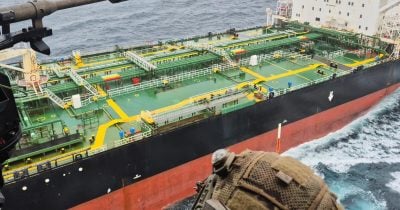
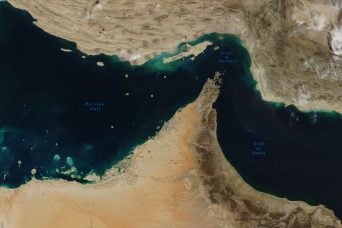
An explosion ripped through a cargo vessel in the Arabian Gulf on Tuesday, escalating already high tensions between the United States, Iran, and Israel. The blast, which occurred in one of the world's most critical shipping lanes, has raised fears of a broader military conflict in the region. The incident is under investigation, and no group has claimed responsibility so far.
What happened in the Gulf
The explosion struck the cargo ship while it was transiting the Arabian Gulf — a waterway that handles a significant share of global oil and liquefied natural gas traffic. Details remain scarce, but maritime security firms have reported that the vessel sustained damage and was forced to divert course. Crew members are said to be safe, according to early reports.
The timing couldn't be worse. Relations between the U.S., Iran, and Israel have been fraying for months over nuclear negotiations, proxy conflicts, and naval skirmishes. This explosion adds a live, unpredictable variable.
Tensions spilling over
Each of the three countries has a history of striking vessels in the region. Iran has been accused of mining and attacking tankers in the past; Israel has carried out covert operations against Iranian-linked ships; and the U.S. Navy patrols the area with a visible presence. Any one of them could be blamed — or could blame someone else.
The White House issued a statement saying it is “monitoring the situation closely” and coordinating with allies. Iran’s foreign ministry called for an impartial investigation. Israel declined to comment publicly. The fog of war is thickening fast.
What's at stake
If the explosion leads to retaliatory strikes, the entire region could tip into a broader conflict. That would threaten the Strait of Hormuz, a narrow passage that carries about 20% of the world’s oil supply. Even a temporary closure would send energy prices soaring and rattle markets worldwide.
For crypto traders, the risk is indirect but real. A spike in oil prices often triggers inflation fears, which can push central banks to hold rates higher — a headwind for risk assets like bitcoin. Shipping disruptions could also delay hardware deliveries for mining operations. But for now, the market is waiting, not reacting.
Next moves
All eyes are on the investigation. If evidence points to a state actor, the response could range from diplomatic condemnation to a military strike. The U.N. Security Council is expected to hold an emergency session within 24 hours. Until then, every new report out of the Gulf carries the weight of a possible escalation.