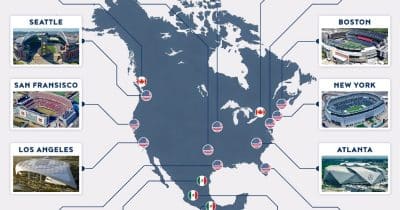
FIFA is drawing criticism over plans to enforce mandatory hydration breaks during the 2026 World Cup, with detractors arguing the stoppages put commercial interests ahead of the integrity of the game. The controversy has surfaced as soccer's governing body prepares for the expanded 48-team tournament, which will be hosted across the United States, Canada and Mexico.
Why the breaks are mandatory
The breaks are designed to allow players to rehydrate, particularly in potentially hot summer conditions. But critics say FIFA's real motivation is to create additional advertising and sponsorship opportunities during the live broadcast. The mandatory nature of the stoppages — rather than leaving them to the referee's discretion — has fueled the perception that commercial priorities are driving the decision.
Concerns about game integrity
Critics warn that forced interruptions could fundamentally alter the flow of matches. A break in play can shift momentum, disrupt a team's rhythm, and benefit defensive sides looking to regroup. Some argue the changes could reward tactical fouling or time-wasting, as the clock stops anyway. The fear is that the sport's continuous nature — a key part of its appeal — gets compromised for the sake of a television timeout.
Who's speaking out
No major soccer figures have publicly broken ranks yet, but the criticism is coming from fan groups, independent analysts, and former players who've voiced frustration on social media and in soccer forums. The absence of a unified response from coaches or players' associations has not dampened the debate. Many see the breaks as a slippery slope toward more commercial interference in the game's rules.
With the 2026 tournament still two years away, FIFA has not formally addressed the specific criticism about commercial motives. The pressure is likely to build as the governing body finalizes the match-day protocols. Whether FIFA adjusts the break policy, keeps it mandatory, or moves to a referee-overseen option remains an open question — and one that could define the tournament's early narrative.