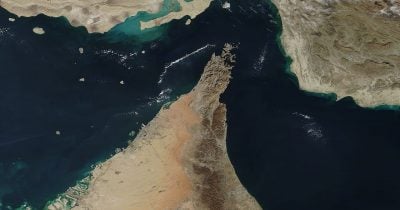
France and the UK, together with several other nations, are planning to send a naval force to the Strait of Hormuz. The deployment comes as geopolitical tensions in the region climb, and it signals Europe's determination to protect one of the world's most vital shipping lanes.
Why the Strait of Hormuz matters
The narrow waterway connects the Persian Gulf to the Gulf of Oman and the open ocean. Roughly a fifth of the world's oil passes through it. Any disruption — from military confrontation to sabotage — can send energy prices soaring and rattle global markets. That's why the planned naval presence isn't just about regional politics. It's about keeping a key economic artery open.
Europe's strategic role
The deployment underlines a shift. European nations are taking a more direct hand in maritime security, rather than leaving it mainly to the U.S. Navy. The Strait has seen repeated incidents in recent years — tanker seizures, drone attacks, and mining operations — that have tested the ability of any single country to police the route alone. By pooling ships and resources, France, the UK, and their partners are trying to show they can act collectively. The move also reinforces the European Union's broader push to be a credible security actor beyond its own borders.
What's known about the deployment
Officials have not released a full list of participating nations or the exact number of vessels. The planning is still underway, and no timeline has been made public. What is clear is that the operation will be separate from existing U.S.-led patrols, though coordination is likely. The goal, according to the governments involved, is to deter hostile acts and ensure freedom of navigation. That's a deliberately broad mission, one that could expand if the situation worsens.
The Strait of Hormuz remains a flashpoint. Iran, which controls much of its northern coast, has repeatedly threatened to close the waterway in response to sanctions or military pressure. The new European deployment is as much a message to Tehran as it is a practical safeguard. It says: we're here, and we'll stay.
Diplomatic efforts to de-escalate the broader tensions continue, but they have not produced a breakthrough. The naval deployment is expected to be formalized in the coming weeks. Until then, the exact size and scope of the force remain open questions.