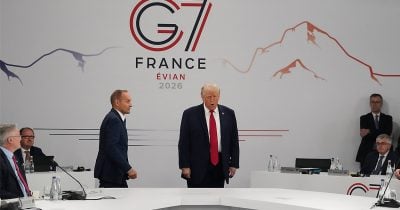
Leaders of the Group of Seven major democracies have announced a fresh round of sanctions targeting Russia's energy industry, while restating their commitment to supporting Ukraine in its ongoing war with Moscow. The move, outlined in a joint statement, is the latest attempt to tighten the economic squeeze on the Kremlin more than two years into the conflict.
What the new sanctions cover
The expanded measures focus squarely on Russia's energy sector — a pillar of the country's revenue. Details remain sparse in the public statement, but the G7 said the sanctions are designed to further restrict Moscow's ability to fund its military operations. The leaders didn't specify which companies or individuals would be affected, but the broad language suggests new restrictions on oil and gas exports, technology transfers, or financial services tied to energy projects.
This isn't the first time the G7 has gone after Russian energy. Previous rounds targeted crude oil exports and imposed a price cap. The new sanctions appear to widen the net, though the exact scope will likely become clearer as member countries implement the measures domestically.
Potential economic ripple effects
The sanctions could stir up global economic tensions that have been simmering since the war began. Energy markets, already volatile, may face fresh disruptions. Russia is a major supplier of oil and natural gas, and any reduction in its exports can push prices higher for consumers worldwide. That's a concern for central banks still fighting inflation and for governments wary of higher fuel costs.
Higher energy prices could also slow economic growth in Europe and other regions that depend on imported oil and gas. The G7 acknowledged the risk but framed the sanctions as a necessary step to pressure Russia into ending its aggression. The statement didn't address potential exemptions or mechanisms to stabilise markets, leaving traders and policymakers guessing.
Regulatory pressures on financial systems
Banks, insurers, and other financial institutions now face a tougher compliance environment. The expanded sanctions mean more screening for transactions involving Russian energy firms, tighter due diligence on trade finance, and potential penalties for any slip-ups. Regulators in G7 countries are expected to issue updated guidance in the coming weeks, forcing financial firms to reassess their exposure to Russian assets.
For global banks already navigating sanctions on Russia's central bank, its oligarchs, and its military suppliers, another layer of restrictions adds complexity. Compliance costs will climb, and some institutions may decide to exit certain markets entirely rather than risk violating the rules. The G7 didn't outline new enforcement measures, but the implication is clear: watchdogs will be watching closely.
One unresolved question is how non-G7 countries — particularly China and India, which have increased Russian energy imports — will respond. If they step in to fill any gaps left by Western sanctions, the economic impact on Russia could be blunted. The G7 statement didn't address that dynamic, but it's a reality that hangs over the entire strategy.