The G7 gathered in Paris this week with a single pressing item on the agenda: Iran. The country plans to impose transit fees on ships passing through the Strait of Hormuz, a move that could rattle global oil markets and deepen an already tense diplomatic standoff.
Iran's transit fee plan
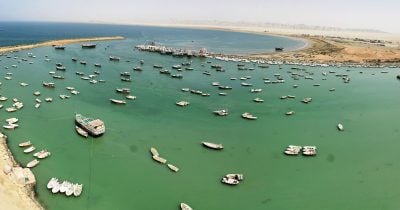
Iran hasn't announced a start date for the fee or a specific amount. But the threat alone is enough to unsettle shippers and insurers. The Strait of Hormuz is a narrow chokepoint — about 21 miles wide at its narrowest — through which roughly a fifth of the world's oil passes daily. Any disruption there sends ripples through crude prices almost instantly.
Tehran has long used the strait as leverage. Past standoffs have seen the Islamic Revolutionary Guard Corps seize tankers or stage naval exercises in the waterway. A transit fee would be a new tactic: a steady revenue stream that also pressures the West without triggering a full blockade.
Global oil market vulnerability
Oil markets are already jittery. A fee, even a modest one, would be passed on to consumers. Analysts who track shipping costs say the added expense could push up fuel prices in Europe and Asia, where a large share of Gulf crude arrives via the strait. That would hit economies still recovering from inflation and supply chain snarls.
The impact on economic stability is the G7's main worry. Higher oil prices slow growth, complicate central bank interest rate decisions, and can fuel public discontent. The group's finance ministers, meeting on the sidelines in Paris, are likely discussing contingency plans — strategic petroleum releases, alternative supply routes, and diplomatic backchannels to de-escalate.
G7's diplomatic challenge
Diplomatic resolutions were already fragile. The G7 has been trying to revive nuclear talks and ease sanctions on Iran in exchange for restrictions on its uranium enrichment. A transit fee would be a direct countermove, hardening the West's line and making a deal harder to sell at home.
France, which hosts the meeting, has traditionally been a key intermediary. President Macron's team has kept channels open to Tehran even as the U.S. and European allies have tightened sanctions. But a fee on shipping would test those ties. The G7's final communiqué, expected Friday, is likely to include language warning against any unilateral action in the strait.
What happens next
No one in Paris is predicting a quick fix. The G7 can threaten new sanctions or a naval escort program, but both carry risks. The next concrete step comes later this month when the UN Security Council is expected to debate the issue. Iran has not said whether it will attend.