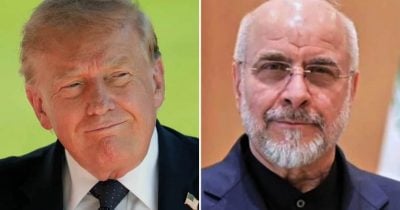
Leaders of the G7 nations are gathering this week with a single headline item on the agenda: a peace deal with Iran. The summit, which kicked off Monday, is expected to focus on a framework that could lead to the full reopening of the Strait of Hormuz — a waterway that handles about a fifth of the world's oil supply. If the negotiations succeed, the consequences could ripple through global energy markets and beyond.
Why the Strait Matters
The Strait of Hormuz has been a flashpoint for years. Iran's threats to close the chokepoint have kept oil prices volatile and shipping insurers on edge. Now, with the G7 pushing for a comprehensive peace deal, the strait's operators are already preparing for normal operations to resume. That means cargo ships could again move through without the risk of seizure or military confrontation.
Reopening the strait would be a logistical shift, but the real impact would be on oil markets. Stable passage through the Strait of Hormuz usually means lower risk premiums baked into every barrel. Analysts within the G7's working groups project that a successful deal would remove a major uncertainty that has kept crude prices elevated for years.
Oil Markets on Edge
The peace deal’s success could stabilize global oil markets in a way that OPEC quotas and production cuts have failed to do. When the Strait of Hormuz is seen as safe, tankers don't need to take longer routes around Africa. Insurance costs drop. And suppliers from Saudi Arabia, Iraq, and the UAE can ship without interruption.
But the deal isn't done yet. Negotiators are still haggling over verification mechanisms and the timeline for sanctions relief. If those talks collapse, the strait could remain a pressure point. The G7 has made clear it wants a resolution before the next peak demand season.
Digital Asset Transactions Enter the Picture
Beyond oil, the peace deal could revolutionize how international trade is conducted. Sources close to the negotiations say the framework includes provisions for using digital asset transactions to settle cross-border payments. That would be a first for a major geopolitical accord.
If adopted, Iran and its trading partners could bypass traditional banking channels — avoiding sanctions and reducing transaction times. The G7 is reportedly exploring a system that uses stablecoins or central bank digital currencies to settle oil purchases. That could reshape trade finance, but it also raises questions about oversight and money laundering.
No final decision has been made. The digital asset language is still being drafted, and some G7 members are pushing for strict guardrails before any pilot program launches.
For now, the summit's success hinges on whether Iran's leadership accepts the terms. The Strait of Hormuz won't fully reopen until the ink is dry. And the oil markets — along with the fintech sector — are watching every move.