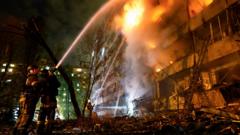
The Gulf Cooperation Council has publicly condemned Iranian drone and missile attacks on Bahrain, Kuwait, and Jordan. The coordinated strikes mark a sharp escalation in regional tensions, putting Gulf security on edge and raising the risk of broader military confrontation.
The Condemnation and Its Weight
The GCC’s statement did not mince words. By calling out Iran by name, the six-member bloc broke with its usual diplomatic caution. The attacks hit three states — two of them GCC members and one a key Western ally — which forced a unified public rebuke. Analysts say the move signals that the Gulf states are willing to take a harder line publicly, even as they maintain back-channel communications with Tehran.
Potential Fallout for Gulf Security
Bahrain, Kuwait, and Jordan now face a new threat environment. For decades, the Gulf has relied on a mix of deterrence and diplomacy to keep Iranian retaliation in check. These strikes suggest that calculus may no longer hold. The GCC is likely to accelerate joint defense agreements and may push for stronger integrated air-defense systems. That could mean more coordination with the United States and other allies already stationed in the region. The question hanging over the council is whether any security framework can reliably prevent a repeat.
Energy Market Risks
Instability in the Gulf is never just a local concern. The region sits atop a third of the world’s oil reserves and handles much of its transit. A prolonged cycle of strikes and reprisals could disrupt production or choke shipping lanes. While global inventories are still comfortable, traders are already pricing in a risk premium. The International Energy Agency has not yet issued a warning, but energy ministers across the GCC are likely preparing contingency plans in case the situation deteriorates further.
What Comes Next
The GCC has stopped short of announcing military reprisals or economic measures against Iran. Instead, it has called for an emergency meeting of foreign ministers to discuss the next steps. That meeting is expected within days. The council’s key test will be whether it can translate condemnation into coordinated action without triggering a wider war — a balancing act that has become harder after every new attack.