A Greek tanker was struck off the coast of southern Iran, the latest flashpoint in the Strait of Hormuz. The incident, reported as tensions in the region continue to climb, has drawn attention to the vulnerability of the world's most critical oil chokepoint. A separate prediction market now gives just a 13.5% probability that traffic through the strait will be normal by August 31.
The Attack
Details about the strike remain scarce. The vessel was hit near the Iranian coastline, but it's not yet clear who fired on it or what caused the blast. No information about the crew or the ship's condition has been released. The ship's owner and flag state have not commented on the extent of the damage.
Rising Tensions in the Strait
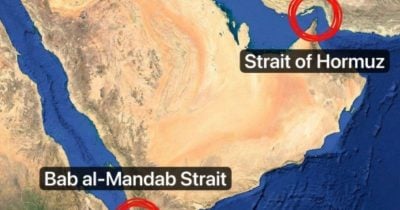
The attack comes as tensions in the Strait of Hormuz escalate. The narrow waterway, which connects the Persian Gulf to the Gulf of Oman, is a critical passage for oil tankers and other shipping. Approximately 20% of the world's oil passes through the strait, making it a strategic chokepoint. Recent months have seen a series of incidents, including seizures of vessels and confrontations between naval forces. The region is on edge.
Prediction Market Signals
Amid the uncertainty, a prediction market tracking the situation has priced in a low probability of normalcy. As of the latest data, the market indicates a mere 13.5% chance that Strait of Hormuz traffic will be normal by the end of August. That number suggests traders and observers expect disruptions to continue for weeks, if not longer. The market's assessment reflects the fragile security environment and the risk of further incidents.
The tanker strike and the prediction market both point to a prolonged period of instability. The 13.5% figure leaves little room for optimism. Shipping companies and insurers are likely watching closely, though no official responses have been announced. The strait's fate hinges on whether the latest attack triggers a broader conflict or remains an isolated event. The August 31 deadline from the prediction market now looms as a key marker of how long the disruption may last.