Defense Secretary Hegseth unveiled a $1.5 trillion defense plan on Wednesday, a massive spending blueprint rolled out as nuclear tensions with Iran continue to escalate. The proposal signals what officials described as a deliberate strategic shift in U.S. defense policy — one that could recalibrate global security dynamics for years to come.
Why the plan was announced now
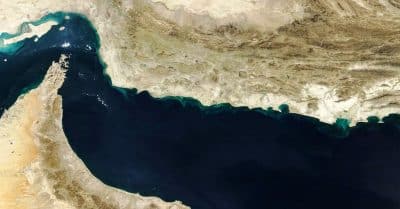
The announcement comes at a moment of heightened friction between Washington and Tehran. Iranian nuclear advances have accelerated, and diplomatic efforts have stalled. Hegseth framed the plan as a direct response to that threat, though the document itself covers a far broader range of defense priorities. The timing makes clear that Iran is a central driver of the new spending push.
What the plan entails
The $1.5 trillion figure represents a significant increase over current defense spending. The plan's details remain classified in large part, but Hegseth's public remarks emphasized a shift away from counterinsurgency operations toward great-power competition and nuclear deterrence. He stressed the need to modernize the nuclear triad, expand missile defense, and increase forward deployments in the Middle East and Indo-Pacific. The plan also calls for faster procurement cycles and a larger active-duty force.
Potential consequences for global security
Critics inside and outside the administration have warned that the plan could backfire. A spending increase of this magnitude may provoke countermeasures from rivals, including China and Russia, and could embolden hardliners in Tehran who see the buildup as a threat. Analysts inside the Pentagon have privately raised concerns that the plan may heighten long-term geopolitical tensions rather than contain them. The net effect on global security dynamics remains uncertain.
The plan now heads to Congress, where it faces an uncertain path. Lawmakers from both parties have already signaled they will push for deeper scrutiny of the cost and strategic assumptions. Hegseth is expected to testify before armed services committees next month. Whether the full sum survives the legislative process — and what kind of message that sends to Iran — is the unresolved question hanging over the announcement.