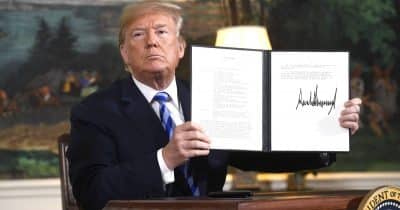
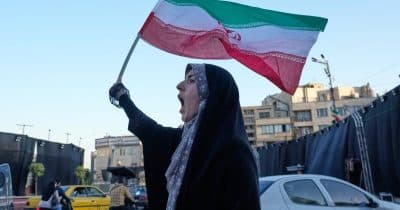
Hezbollah hasn't conducted any operations since the announcement of a deal between Iran and the United States. That's a sharp shift for a group that has regularly carried out attacks and skirmishes along Israel's northern border and across the region.
The deal's immediate effect
The deal — whose exact terms haven't been disclosed — appears to have triggered a pause from Hezbollah. The group's last confirmed operation came just before the announcement. Since then, no new strikes, rocket fire, or cross-border incidents have been reported. The lull covers both Lebanon-based operations and activities further afield, including in Syria.
For years, Hezbollah has been one of Iran's most powerful proxies, capable of launching sustained barrages into Israel and deploying fighters across the Middle East. Its sudden quiet raises immediate questions about whether the group is holding fire as part of a broader understanding tied to the Iran-US negotiations — or if it's simply waiting for the diplomatic dust to settle.
Israel has not officially commented on the halt. The country's military continues to patrol the border and maintain its usual alert level, but there have been no reports of retaliatory or preemptive strikes since the deal was announced.
Unanswered questions
The silence from Hezbollah leaves a lot of unknowns. Is this a temporary freeze or the start of a longer-term ceasefire? Was the group ordered to stand down by Tehran as part of the deal's conditions? Or is Hezbollah recalibrating its strategy in response to a new geopolitical landscape?
Without official statements from either Hezbollah or Iran, those questions remain open. What is clear is that, for now, the group's military wing has gone quiet — a notable absence of action in a region that has rarely seen such stillness from the group.