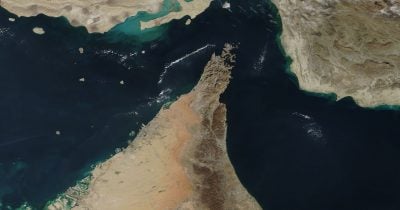
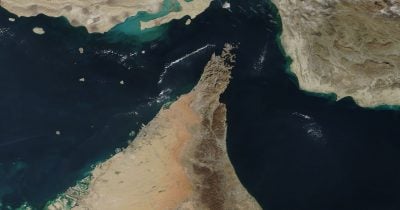
A new agreement centered on the Strait of Hormuz requires vessels to coordinate their movements with Iranian authorities while operating on the Omani side of the waterway. The arrangement, known as the Hormuz agreement, is seen as a potential step toward easing long-standing tensions in one of the world's most critical oil transit chokepoints.
What the agreement requires
Under the terms, ships transiting the strait must coordinate with Iran through Omani channels. The exact operational details have not been publicly disclosed, but the mandate effectively creates a formal communication link between commercial shipping and Iranian naval forces, using Oman as an intermediary. The agreement covers coordination procedures, not broader security guarantees.
The Strait of Hormuz has been a flashpoint for years. Iran has periodically threatened to disrupt shipping there, and the U.S. Navy maintains a presence to ensure free passage. By establishing a structured coordination mechanism, the agreement could reduce the risk of accidental confrontations or miscalculations at sea. Analysts following the region note that even limited confidence-building measures can lower the temperature between adversaries.
Potential boost for U.S.-Iran maritime talks
The Hormuz agreement may also open a door for broader discussions. The facts indicate it could boost prospects for a U.S.-Iran maritime accord. Such an accord would likely address freedom of navigation, incident prevention, and perhaps even broader security issues in the Gulf. No formal talks have been announced, but the existence of this coordination framework provides a foundation that both Washington and Tehran could build on.
The agreement itself does not involve the United States directly. It is a bilateral arrangement between Iran and Oman, with Oman acting as a neutral facilitator. That structure may make it more palatable to Iran, which has resisted direct negotiations with the U.S. on maritime issues in recent years.
What comes next
Implementation of the coordination mandate is expected to begin in the coming weeks. Whether it actually reduces incidents or leads to a broader U.S.-Iran maritime deal will depend on how both sides adhere to the procedures and whether they use the channel for de-escalation. No timeline for further talks has been set.