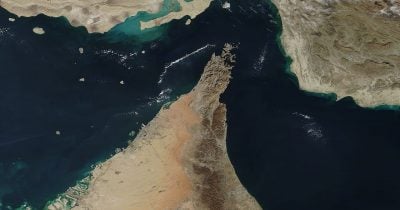
A political deal covering the Strait of Hormuz is close to being signed, with prediction market Polymarket putting the odds at 94% that the text will be released by the end of June. The agreement, if finalized, would aim to restore some normalcy to a waterway that has seen traffic plunge since February.
The deal's timeline
Polymarket, a crypto-based betting platform, tracks user wagers on real-world events. As of this week, traders are betting heavily that the Hormuz deal's formal text will be published on or before June 30. That date is not a regulatory deadline but rather a self-imposed target that negotiators have hinted at in recent briefings.
Neither the parties involved nor the exact terms have been disclosed in full. But the narrowing probability window suggests that diplomatic back-channels have made enough progress to give the market confidence.
Expected impact on shipping traffic
Analysts at Kpler, a data firm that tracks oil tankers and cargo vessels, have modeled what a deal could mean for the strait's traffic. Before February, roughly 100 ships crossed the Strait of Hormuz daily. That figure fell sharply after tensions escalated early this year.
Should the agreement hold, Kpler predicts daily transits could rebound to about 40. That's still less than half of pre-crisis levels, but it would mark a significant recovery from the current low. The number depends on how quickly insurers and shipping firms regain confidence in the security of the passage.
The strait is a chokepoint for about a fifth of the world's oil supply, so even a partial return to normal traffic would ease some pressure on global energy markets.
What remains unclear
No official confirmation of the deal's signing has come from any government involved. The 94% probability on Polymarket reflects market sentiment, not an official timeline. And Kpler's projection of 40 daily transits is a best-case scenario — if implementation stalls or enforcement proves weak, traffic could stay closer to current levels.
All eyes are now on the June 30 cutoff. If the text doesn't appear by then, the market's confidence will quickly erode. For now, the numbers point in one direction: a deal is coming, and the strait is about to get a little busier.