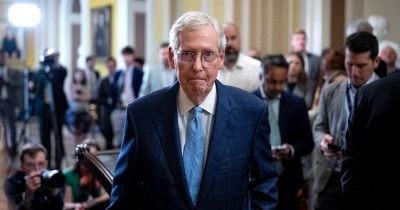
House Republicans have introduced a bill that would restrict lawmakers from using prediction markets, injecting a new front into the ongoing fight over congressional stock trading. The proposal targets the growing appetite for betting on political outcomes among the public and, potentially, the people who influence them.
A new ethics frontier
Prediction markets let people wager on events like election results or policy decisions. Critics argue that lawmakers could exploit nonpublic information to profit, or that even the appearance of betting on a legislative outcome damages public trust. The bill aims to ban or sharply limit that activity for members of Congress and their staff.
Part of a wider push
The proposal doesn't come out of nowhere. It lands in the middle of a years-long debate over whether elected officials should be allowed to trade individual stocks. Bipartisan efforts to impose a stock trading ban have stalled repeatedly, but the conversation keeps widening. Adding prediction markets to that mix shows that lawmakers see financial conflicts of interest extending well beyond the stock exchange.
What's in the proposal
Specific details of the bill haven't been released publicly, but the intention is clear: close a loophole that lets members bet on the very events they help shape. The legislation would cover platforms that offer bets on political, legislative, or regulatory outcomes — a market that's grown rapidly in recent years. It's a direct response to concerns that prediction markets could be used like insider trading, only for politics instead of stocks.
Uncertain path ahead
The bill enters a crowded field of ethics measures already under consideration. Lawmakers remain split on how far restrictions should go, and the House has yet to schedule a hearing. For now, the proposal serves as a reminder that the debate over lawmakers' financial activities is widening — and whether it advances will test Congress's appetite for tighter rules.