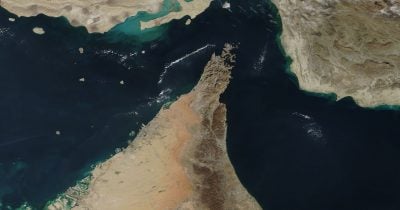
Houthi attacks on Saudi oil facilities this week sent Gulf stock markets lower and pushed Bitcoin below $65,000 for the first time in weeks. The strikes, which targeted key energy infrastructure, underscored how fragile global oil supply chains remain — and reignited a familiar debate about crypto's role in moving money outside traditional oversight.
Gulf markets ease
Gulf equity markets pulled back as investors priced in the risk of further disruption. Saudi Arabia's main index led the decline, with energy and petrochemical stocks taking the biggest hits. The attacks didn't knock out production entirely, but the message was clear: no one's oil infrastructure is safe. Traders moved into safe havens, pushing gold higher and sending regional currencies under pressure.
Bitcoin slips below $65,000
Bitcoin dropped below $65,000 during Asian trading hours, a level that had held as support for most of July. The move came as risk assets broadly sold off on the geopolitical news. The dip wasn't a crash — volumes were elevated but not panicked — but it broke a quiet stretch for the largest cryptocurrency. Some traders pointed to the attack as a trigger for profit-taking after weeks of range-bound trading.
Regulatory spotlight returns
The attacks also prompted increased regulatory scrutiny on cryptocurrencies linked to illicit activities. Authorities in several jurisdictions are now looking more closely at whether crypto channels are being used to move funds tied to the conflict. The timing isn't great for an industry already fighting for clearer rules in the U.S. and Europe. Regulators have long warned that crypto can be a tool for sanctions evasion, and this week's events give them fresh ammunition.
Oil supply chain fears
Beyond the market moves, the attacks highlighted vulnerabilities in global oil supply chains that go beyond any single facility. The Houthis have shown they can hit Saudi Arabia's energy heartland with drones and missiles, and each strike forces companies to rethink security. For crypto, the connection is indirect but real: geopolitical instability tends to push regulators toward tighter controls, and that's rarely good for a market built on permissionless transactions.
What comes next depends on whether the Houthis strike again — and how quickly Gulf states can reassure markets that production won't be interrupted. For now, Bitcoin is hovering just below $65,000, and regulators are watching the blockchain for signs of trouble.