The Israeli military has retaken the Beaufort Ridge outpost in Lebanon, a move that suggests its forces plan to stay in the area well beyond the current conflict. The action, confirmed by military sources, directly challenges the timeline for a full withdrawal and raises fresh questions about regional stability.
A strategic perch reclaimed
Beaufort Ridge sits on a high point in southern Lebanon, giving whoever holds it a commanding view of the surrounding terrain. The IDF first captured the site during the 1982 invasion and held it until the 2000 withdrawal. Retaking it now, analysts note, signals that Israeli commanders see long-term value in controlling the ridge — not just a temporary tactical advantage.
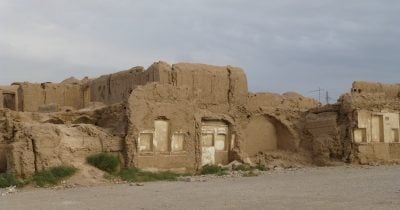
The outpost was empty before the IDF moved in, but its reoccupation has already drawn attention from regional capitals. Lebanon's government has not yet issued a formal response, but the move is expected to complicate already fragile diplomatic talks.
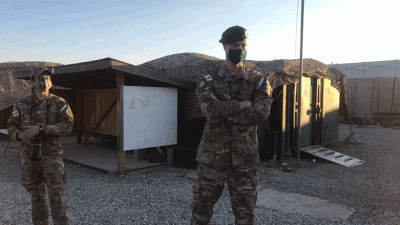
Israeli officials have long insisted that any military presence in Lebanon would be temporary. But holding Beaufort Ridge suggests otherwise. The outpost is not a forward operating base for targeted raids — it's a fixed position that requires supply lines and consistent force protection.
That kind of footprint doesn't get packed up overnight. It implies a presence measured in months, if not years. For the United Nations Interim Force in Lebanon (UNIFIL), which monitors the area under Resolution 1701, the retaking creates a new reality on the ground. UNIFIL patrols now operate in the shadow of an Israeli-held ridge, a dynamic that could strain the mission's ability to mediate.
Regional stability and the Hezbollah factor
Hezbollah has not commented publicly on the retaking, but the group has long viewed Beaufort Ridge as a symbol of Israeli occupation. The outpost's recapture could provoke retaliatory strikes or accelerate the group's own fortifications in the area.
For now, the immediate risk is miscalculation. An IDF presence on the ridge puts Israeli troops within sight of Hezbollah strongholds, and the proximity increases the chance of skirmishes. The broader concern, shared by diplomats, is that the move erodes the already fragile ceasefire framework that ended full-scale fighting in 2006.
The next few weeks will be telling. Israeli defense officials are expected to brief the cabinet on the long-term plan for southern Lebanon. Until then, the ridge stands as a quiet but unmistakable statement: the IDF is not leaving anytime soon.