The Israeli Defense Forces carried out strikes on Hezbollah positions in Lebanon’s Beqaa Valley on Tuesday, hitting targets inside a region long seen as a key stronghold for the Iran-backed group. The operation comes as a fragile ceasefire between Israel and Hezbollah shows fresh signs of strain, with both sides trading accusations of violations.
The Beqaa Valley strike
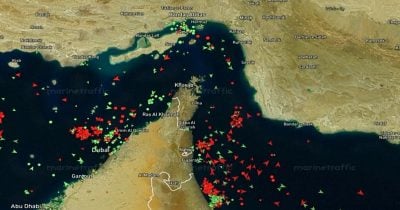
The IDF said it targeted Hezbollah infrastructure and military assets in the Beqaa, a fertile valley that runs northeast from the Syrian border toward Baalbek. The area has been a logistical hub for Hezbollah and a launch point for earlier rocket attacks. No immediate casualty figures were released, and Hezbollah did not confirm the extent of the damage.
Israel’s military described the strikes as a response to “ongoing threats” originating from Lebanese soil, though it did not specify a single trigger. The Beqaa Valley has been hit repeatedly during past escalations, but Tuesday’s raids mark the first major Israeli operation in the area since the current ceasefire took effect.
Ceasefire under pressure
The strikes come at a delicate moment. The ceasefire, brokered after weeks of cross-border fighting, has held for several weeks but never looked stable. Both Israel and Hezbollah have accused each other of breaching its terms. Hezbollah has claimed Israel flew drones over Lebanese airspace; Israel has pointed to Hezbollah rocket placements near the border.
The Beqaa Valley operation adds a new layer of tension. Unlike the immediate border area, the Beqaa sits deeper inside Lebanon and has been a Hezbollah stronghold since the group’s founding. Any strike there risks drawing a wider response from the group, which has a network of tunnels and rocket launchers across the region.
What happens next
Diplomatic channels remain open, but there’s no sign of emergency talks. The United Nations Interim Force in Lebanon, which monitors the southern border, does not have a mandate in the Beqaa Valley. That leaves the area in a gray zone where neither peacekeepers nor the Lebanese army can easily intervene.
The coming hours will show how Hezbollah chooses to respond. The group’s leader has previously warned that any strike on the Beqaa would be met with retaliation. If that happens, the ceasefire – already on life support – could collapse entirely. For now, both sides are watching, and waiting.