Iran has formally accused the United States of violating the Islamabad Memorandum of Understanding, a move that threatens to deepen the already fraught relationship between the two countries. The accusation, made public by Iranian officials, raises the risk of prolonged geopolitical instability with potential ripple effects across global markets and regional diplomacy.
The accusation and its basis
Tehran's claim centers on alleged breaches of the Islamabad Memorandum of Understanding, a bilateral agreement signed between the two nations. Iranian authorities have not specified which provisions they believe were violated, but the accusation itself signals a hardening of Tehran's position. The memorandum, established years ago, aimed to set ground rules for engagement and reduce friction between the two longtime adversaries. Now, with the public accusation, that framework appears to be under strain.
US officials have not yet responded to the specific charges. The lack of immediate comment leaves room for diplomatic maneuvering, but also uncertainty. The accusation comes at a time when other flashpoints—such as Iran's nuclear program and regional proxy conflicts—already dominate the agenda.
Market and diplomatic fallout
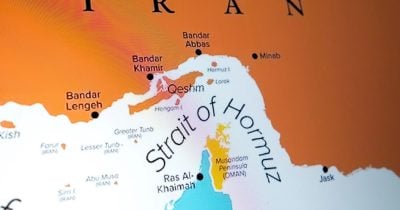
The heightened tension could weigh on global markets, particularly oil. Iran is a major crude producer, and any disruption to its exports or the Strait of Hormuz chokepoint tends to rattle traders. While no immediate supply shock has occurred, the threat of instability alone can drive price swings. Investors are watching for signs of escalation, such as new sanctions or military posturing.
On the diplomatic front, the accusation complicates efforts to revive talks over Iran's nuclear activities. The United States and Iran have been engaged in indirect negotiations through intermediaries, but the memorandum violation claim introduces a new layer of mistrust. Regional powers, including Gulf states and European allies, may find themselves caught between the two sides. The accusation could also strengthen hardliners in Tehran who argue that engagement with Washington is futile.
What happens next
For now, the accusation adds another layer of complexity to US-Iran relations. The coming weeks will show whether diplomatic channels remain open or if the rift widens further. International observers expect the United Nations or other multilateral bodies to become involved, potentially as a forum for clarifying the alleged violations. The US has not indicated whether it will respond formally to the accusation, but the clock is ticking: the longer the silence, the more the tension could escalate.