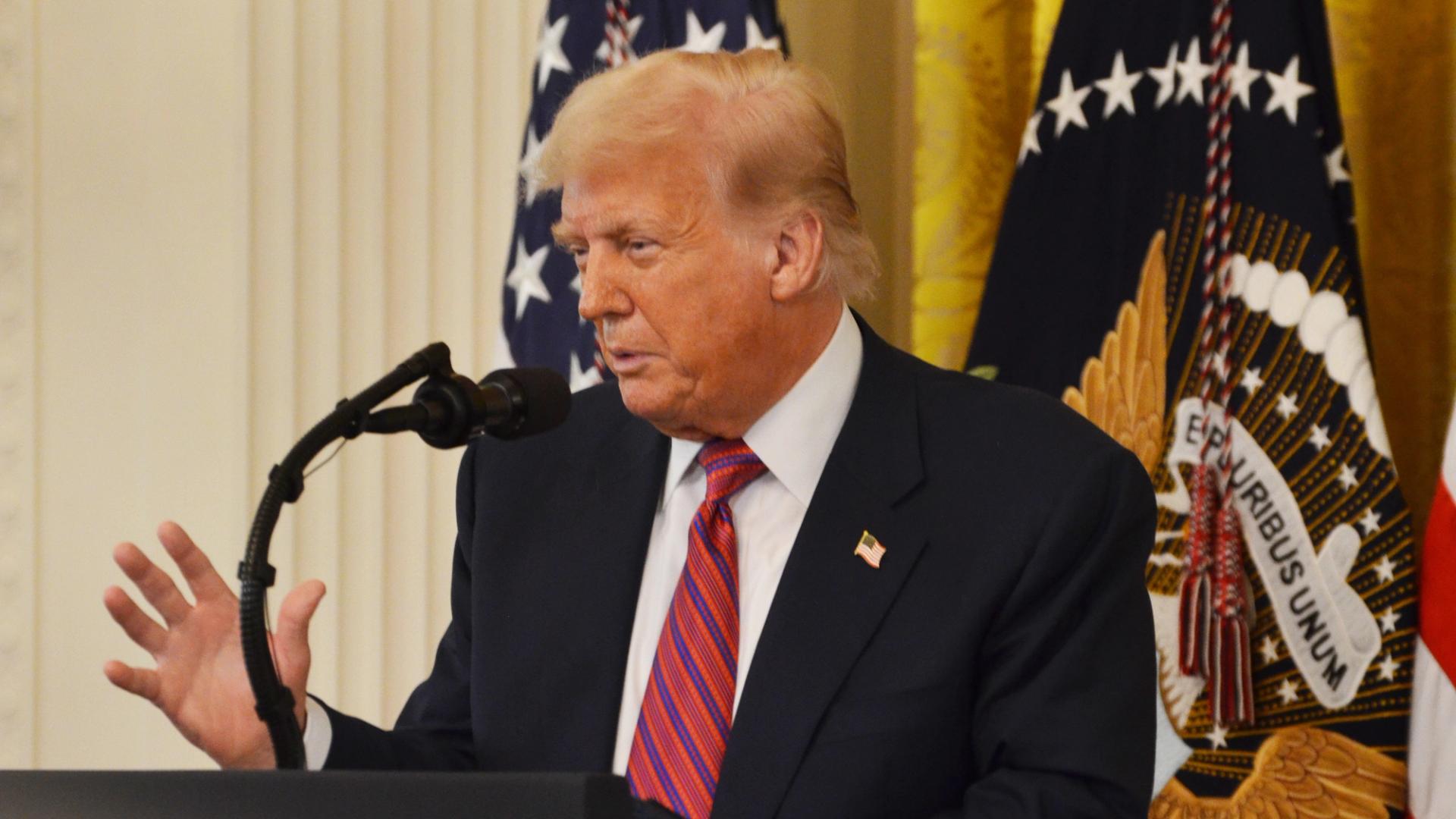
Iran has activated air defense systems in Tehran, a move that comes as the United States continues its military strikes against targets in the region. The activation was reported on Tuesday, though details on the scale or specific locations remain unclear. The development adds a new layer of tension to an already volatile situation.
What the air defense activation means
The decision to turn on air defenses in the capital signals a heightened state of alert. Tehran, a city of over 9 million, is the political and economic heart of Iran. While air defense systems are routinely maintained, activating them during a period of active US strikes suggests Iranian authorities are preparing for potential escalation. No official statement from the Iranian government has been released yet, but the move is widely seen as a defensive posture.
The prediction market's take
A prediction market tracking the conflict now puts the probability of a full airspace closure over Iran at 35.5% by July 31. That's a significant number — not a certainty, but far from negligible. Prediction markets aggregate the bets of participants, and such a figure indicates that a substantial portion of traders see a real chance that Iran will shut its airspace entirely within the next few weeks. The July 31 date is notable, possibly tied to a deadline or a perceived window for further escalation.
Ongoing US strikes
The US military has been conducting strikes against Iranian-linked targets, though the exact scope and duration of the operation have not been fully detailed. The strikes are part of a broader response to recent attacks on US personnel and assets in the region. The activation of Tehran's air defenses suggests that Iran is bracing for the possibility that the strikes could expand or that a retaliatory move might be imminent.
What happens next
The situation remains fluid. The US has not indicated when the strikes will end, and Iran has not publicly outlined its next steps. The prediction market's July 31 deadline now looms as a key marker for how the conflict may evolve. If the probability of airspace closure continues to rise, it could signal that traders expect a major escalation. For now, Tehran's air defenses are up, and