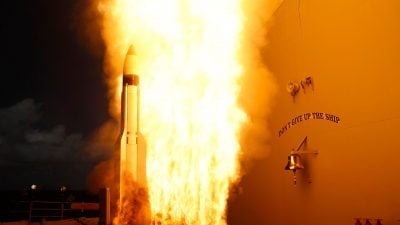
Iran activated air defense systems in the central city of Isfahan this week as US military strikes were reported in the region. The move signals heightened tensions and raises questions about how far the conflict might escalate.
The activation in Isfahan
Isfahan, a major industrial and cultural hub, saw its air defenses go live amid the ongoing US strikes. Details on what exactly triggered the activation remain scarce, but the city is home to key military and nuclear infrastructure. The Iranian military did not issue a public statement about the move, and no further incidents have been reported in the area since.
Prediction market odds
Meanwhile, prediction markets are tracking the possibility of a broader disruption. One market currently puts a 29% probability on a full closure of Iran's airspace by July 31. That figure jumps to 44% for a closure by August 31. The numbers reflect growing uncertainty about the trajectory of the conflict and whether Iran will take the drastic step of shutting its skies entirely.
These probabilities are not official forecasts but rather aggregated bets from traders. Still, they offer a real-time gauge of how the situation is being perceived. The increase from July to August suggests that many see a closure as more likely if the strikes continue or expand.
What a full closure would mean
A complete airspace shutdown would ground all civilian flights in and out of Iran, affecting airlines, passengers, and cargo. It would also complicate any diplomatic or humanitarian flights. The country has not fully closed its airspace since the 2020 tensions with the US, though partial restrictions have been imposed in the past.
For now, the airspace remains open, but the activation of defenses in Isfahan shows that Iran is preparing for a prolonged confrontation. The next key date is July 31, when the prediction market's 29% probability will either prove prescient or fade. If the strikes continue, the August 31 figure of 44% will become the new focus.