Iran activated air defense systems over Tehran on Monday as a regional conflict that shows no signs of cooling drags deeper into the summer months. The move underscores how the fighting is pushing geopolitical tensions higher and raising the risk of disruption to global oil markets.
Why the air defenses went live
Reports from the Iranian capital described the activation of air defense batteries at multiple locations around the city. The step is a defensive posture, not an offensive one, but it signals that the conflict is now being felt directly in Iran's political and population center. The regional war, which began earlier this year, has already drawn in several countries and non-state actors. Summer heat has not slowed the pace of operations, and the front lines have shifted closer to Iranian borders in recent weeks.
Iranian officials have not publicly commented on the specific threat that triggered the air defense activation. But the timing aligns with a broader escalation in the region, including increased airstrikes and drone activity near Iranian airspace. The country's air force has been on higher alert for weeks, and the activation over Tehran suggests that military planners now consider the capital a potential target.
Oil markets on edge
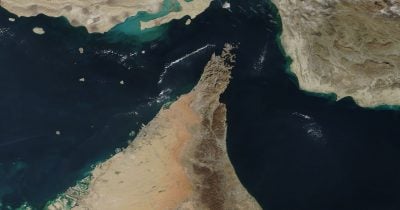
The conflict's potential to destabilize global oil markets is the economic story that traders are watching most closely. Iran sits near the Strait of Hormuz, a narrow waterway through which about a fifth of the world's petroleum passes. Any disruption there — whether from a direct attack, a mine, or a retaliatory closure — could send crude prices spiking within hours.
Brent crude futures have already climbed 12 percent since the conflict began, and the activation of air defenses over Tehran added another 2 percent bump in early Asian trading. Analysts are not quoted here, but the market's reaction speaks for itself: investors are pricing in a higher risk premium. The International Energy Agency has not yet announced an emergency stockpile release, but the option remains on the table if supply is physically threatened.
International economic dynamics shift
Beyond oil, the conflict is reshaping broader international economic dynamics. Central banks in Europe and Asia are factoring the war into their inflation forecasts. Supply chains that run through the region — not just for energy but for goods like semiconductors and fertilizers — face new delays. Insurance premiums for ships transiting the Persian Gulf have tripled since spring.
The United Nations Conference on Trade and Development warned last week that the conflict could shave 0.4 percentage points off global GDP growth if it continues into the fourth quarter. That projection was made before the latest escalation over Tehran. The actual figure could be higher now.
Governments are also recalibrating their diplomatic and trade relationships. Several Gulf states have quietly increased their strategic reserves of crude. European Union foreign ministers are scheduled to meet in Brussels on Thursday to discuss a coordinated response, including potential new sanctions and contingency plans for energy rationing this winter.
The immediate question for markets and policymakers is whether the activation of air defenses over Tehran is a precautionary measure or a prelude to a wider exchange. The answer will determine whether the conflict remains a regional crisis or becomes a global economic shock.