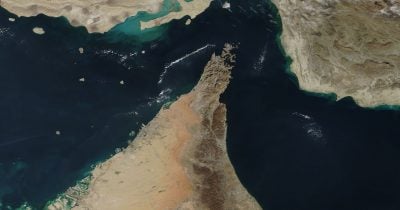
Iran and Oman are holding talks to jointly manage navigation in the Strait of Hormuz, a step that could stabilize global energy markets and ease the geopolitical tensions that have made the waterway a regular source of price jitters.
The strait is a narrow passage that carries a large share of the world's oil trade. When it gets snarled, prices react. The two countries have begun discussing how to share oversight, according to the latest information from the talks.
The stakes for global energy
Today, shipping in the strait is governed largely by the laws and coast guard of Iran, which holds the northern shore. Oman sits across the water, and its own maritime interests have often been secondary. A joint arrangement would give both sides a formal role in deciding how the waterway is used, which could remove a lot of the unpredictable friction that has spooked traders.
Markets have historically been sensitive to any sign that the strait might be closed or contested. Even the rumor of a military standoff has been enough to move crude prices. If the two sides actually reach a cooperative deal, it would take a big piece of that anxiety off the board. For a global economy that depends on steady oil shipments, that would be a meaningful comfort.
What joint management might look like
The talks are still at an early stage, and no concrete plan has been shared. The specifics are unclear: how would oversight be divided, how would disputes be resolved, and would other Gulf countries be invited to join? Those are the questions that will determine whether the discussion leads to an actual framework.
Both countries have their own reasons to want a stable strait. Iran ships its own crude through those waters, and Oman uses the passage for its own trade. A shared management scheme could also cut down on navigational accidents or misread signals between vessels, which are the kind of small incidents that can quickly escalate.
Even a rough sketch of an agreement would be a notable step in a region where trust is hard to come by. But the difficulty is in the details, and there's no guarantee the two sides will find common ground on them.
What happens next depends on when they return to the table. No date has been set, and neither country has spelled out its position publicly. The markets will be watching for any sign that this discussion moves from talk to something concrete.