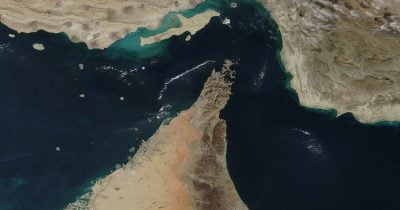
Iran and Oman are in talks to split control of the Strait of Hormuz, a move that could reshape energy security and challenge the United States' long-standing influence in the region. The deal, if finalized, would give both countries a formal role in managing the narrow waterway through which a large share of the world's oil passes.
A vital chokepoint
The Strait of Hormuz connects the Persian Gulf to the Gulf of Oman and the open sea. Roughly a fifth of global oil consumption moves through it daily. Any disruption there — from military confrontation to sabotage — sends shockwaves through energy markets. A joint management arrangement between Iran and Oman could reduce those risks by creating a shared framework for navigation and security.
What the deal would involve
Details remain scarce, but the core idea is a power-sharing structure that gives both Tehran and Muscat a say in how the strait is patrolled and administered. That would mark a departure from the current system, where the United States and its allies effectively guarantee safe passage. The two countries have held several rounds of talks, and both sides have signaled willingness to move forward.
Regional and global stakes
For Iran, the deal would cement its role as a gatekeeper of one of the world's most important energy arteries. For Oman, it offers a chance to assert greater independence from Saudi Arabia and the UAE while positioning itself as a neutral broker. The United States, which maintains a naval presence in the region, would see its influence diminished if the two countries succeed. Energy markets would likely welcome the reduced geopolitical risk, though the transition could create short-term uncertainty.
The negotiations are still underway, with no announced deadline for a final agreement.