Iran and Oman are quietly working out an agreement over the Strait of Hormuz, a move that signals a growing push for regional autonomy and a shrinking U.S. footprint in the Persian Gulf. The talks, which have not been publicly detailed, come as the Trump administration tries to claim credit for a deal it had no part in negotiating.
Why the talks matter
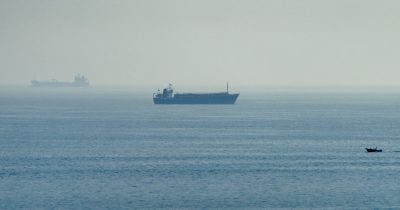
The Strait of Hormuz is a narrow waterway that carries about a fifth of the world's oil supply. For decades, the U.S. Navy has patrolled the area to keep shipping lanes open, often clashing with Iranian forces. If Iran and Oman reach a bilateral understanding, it could reduce the need for American military presence and give Tehran a direct say in maritime security.
Oman has long played the role of a neutral broker in the region. It maintained ties with Iran even as other Gulf states cut them off. The current negotiations appear to build on that history, with both sides aiming for a framework that keeps the strait open without outside intervention.
Trump's claim of credit
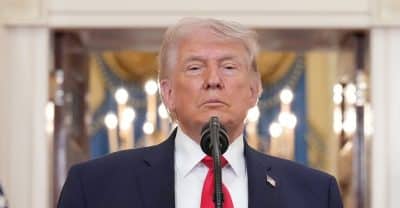
President Donald Trump has publicly suggested that his administration's pressure campaign against Iran is what brought Tehran to the table. But people familiar with the talks say the U.S. was not involved in the discussions and that the initiative came from Oman and Iran themselves. The disconnect highlights a broader pattern: the White House often takes credit for diplomatic openings it did not broker.
Trump's supporters point to his withdrawal from the 2015 nuclear deal and the reimposition of sanctions as the leverage that forced Iran to negotiate. Critics argue that the talks are happening despite U.S. policy, not because of it, and that Iran is seeking to bypass Washington entirely.
What's at stake for the region
If the deal goes through, it could reshape power dynamics in the Gulf. The United Arab Emirates and Saudi Arabia, both wary of Iranian influence, will be watching closely. Oman's willingness to engage Iran directly may strain its relations with other Gulf Cooperation Council members, but it also gives Muscat a chance to assert its independence.
For Iran, a successful agreement would be a diplomatic win at a time when its economy is under severe strain. It would also demonstrate that Tehran can secure its interests without dealing with the U.S., a message that resonates with hardliners at home.
The negotiations are still in early stages, and no timeline has been set for a final deal. The key question remains: can Iran and Oman reach an understanding that satisfies both sides, or will the talks collapse under the weight of regional rivalries and U.S. pressure?