Iran and the United States have finalized a draft nuclear agreement, with Pakistan serving as the intermediary, according to sources familiar with the process. The development marks a potential turning point in a decades-long standoff, though the deal's contours remain largely under wraps.
Pakistan's role as broker
Islamabad has quietly shuttled between Tehran and Washington for months, offering itself as a neutral channel. The Pakistani government neither confirmed nor denied its involvement, but officials in the region say the country's geopolitical position — close to both Iran and the U.S. — made it a natural go-between. The mediation effort underscores Pakistan's desire to project influence beyond its immediate neighborhood.
What the draft covers
The final draft reportedly addresses key sticking points that have blocked earlier rounds of talks. Those include uranium enrichment levels, sanctions relief, and verification mechanisms. Neither side has released the text, but diplomats involved in the talks describe it as a comprehensive framework. The deal is expected to freeze Iran's nuclear program at its current stage in exchange for a phased rollback of economic penalties.
Regional fallout
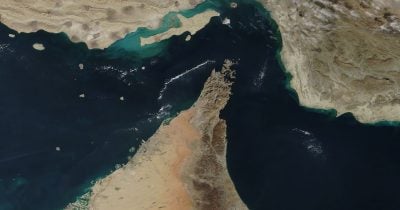
A signed agreement could ease tensions across the Middle East. Gulf states, Israel, and European powers have all watched the negotiations warily. Analysts suggest that even a limited pact might reduce the risk of military confrontation and open the door for broader diplomatic engagement. However, the impact on Iran's leadership structure is expected to be minimal — the Supreme Leader's office retains ultimate authority over nuclear policy, and the deal does not challenge that hierarchy.
For the U.S., the draft represents a chance to reassert influence in a region where China and Russia have gained ground. Washington has not publicly endorsed the text, but administration officials have signaled cautious optimism. The next step is a formal signing, likely in a neutral capital, followed by implementation timelines that could stretch over several years.
The White House has not set a date for signature, and Iran's parliament must still ratify the agreement. Both sides face domestic political headwinds. Hardliners in Tehran have already criticized any concessions, while U.S. lawmakers from both parties have demanded full transparency. Whether the draft survives those pressures remains the open question.