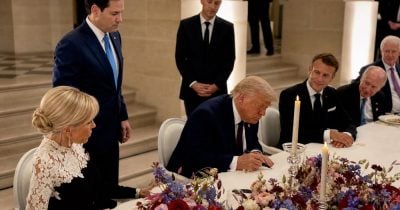
The United States and Iran signed a formal peace treaty at the Palace of Versailles on Saturday, June 20, 2026. The accord, the first of its kind between the two countries in decades, has immediate implications for global energy markets, the sanctions regime on Tehran, and by extension, the regulatory climate for cryptocurrencies.
Treaty signed at Versailles
The ceremony took place in the Hall of Mirrors, a venue chosen for its historical weight. Neither side released the full text immediately, but both governments confirmed the treaty covers a cessation of hostilities, mutual recognition of borders, and a framework for economic cooperation. It’s a dramatic turn for a rivalry that has shaped Middle Eastern geopolitics for more than 40 years.
Oil markets brace for stability
Iran holds some of the world’s largest proven oil reserves. With the treaty in place, analysts expect Tehran to ramp up exports that had been choked by U.S. sanctions. That additional supply could cap crude prices and reduce the kind of supply-shock volatility that rattled markets earlier this year. Lower oil prices tend to ease inflation pressures broadly, which is good for risk assets like equities and crypto.
Sanctions relief and the crypto angle
The treaty explicitly calls for the phased removal of American secondary sanctions on Iran’s banking and energy sectors. That matters for crypto because Iran has been a sanctioned jurisdiction — many exchanges and DeFi protocols have blocked Iranian IP addresses or wallets out of compliance risk. If sanctions lift, those barriers could dissolve, potentially opening a new market for crypto services.
More broadly, a thaw between Washington and Tehran reduces one of the geopolitical flashpoints that regulators have cited when tightening crypto rules — for example, concerns about sanctions evasion or terrorist financing. The timing isn’t trivial: several U.S. agencies are currently reworking their digital asset frameworks, and a calmer diplomatic environment could shift the tone from security-first to innovation-friendly.
Risk asset outlook
Global equity markets rallied on the news Friday, and Bitcoin was already trading higher. The treaty doesn’t automatically make crypto regulation easier everywhere, but it removes a big source of uncertainty. For traders, the next concrete milestone is the U.S. Senate’s vote on the treaty, expected within 90 days. If it clears, expect a sustained reassessment of risk premiums across the board.