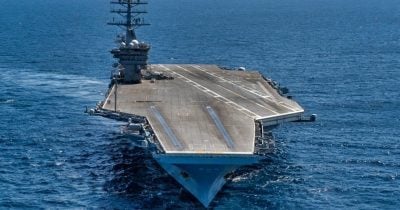
Iran has introduced a new law banning US and Israeli vessels from the Strait of Hormuz, a move aimed at tightening Tehran's grip on the waterway. The law, announced without immediate details on enforcement, is part of an effort to gain full control over the strait.
The strait is a vital artery for global oil shipments. Any disruption to tanker traffic there could send shockwaves through energy markets, heighten tensions across the Middle East, and strain economies that depend heavily on imported crude.
A critical oil chokepoint
Roughly one-fifth of the world's oil passes through the Strait of Hormuz, making it one of the most strategically important waterways on the planet. The new Iranian law does not yet specify how or when it will be applied, but the threat alone is enough to unsettle traders and shipping companies.
If enforced, the ban would bar vessels flying US or Israeli flags from transiting the strait. That could force rerouting, raise insurance costs, and slow deliveries. Energy-dependent nations, particularly in Asia, would feel the impact first.
Iran's push for control
The law appears to be the latest step in Iran's long-running effort to assert authority over the strait, which borders its southern coast. By restricting US and Israeli ships, Tehran is signaling that it will not hesitate to use its geographic position as leverage in regional disputes.
The move comes amid already high friction between Iran and the West over nuclear issues and military posture in the Gulf. While the law is unilateral, its practical consequences depend on how rigorously it is enforced and how other nations react.
Potential fallout for oil markets
Global oil prices often react swiftly to any sign of instability in the Gulf. A formal ban, even if only partially implemented, could destabilize markets by raising the risk premium on crude. That would hit consumers and businesses worldwide, but the hardest blow would fall on countries with limited alternative supply routes.
Geopolitical tensions are also likely to rise. The United States and Israel have both pledged to keep the strait open to international navigation. A direct confrontation over the new law cannot be ruled out, though neither side has yet commented publicly.
For now, the practical effects remain unclear. How Iran plans to screen vessels, what penalties it might impose, and whether it will exempt commercial traffic are all unanswered questions. The international community, and especially the shipping industry, will be watching for those details in the coming days.