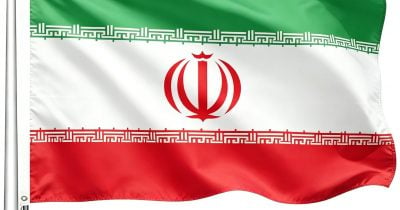
Iran has asserted control over the Strait of Hormuz and vowed to keep it blockaded until the United States formally accepts Tehran's claim of victory in the current standoff. The move is already rippling through global energy markets and raising the stakes in an increasingly volatile geopolitical confrontation.
The world's most critical oil chokepoint
The Strait of Hormuz sits between the Persian Gulf and the Gulf of Oman, a narrow waterway that carries a substantial share of the world's seaborne crude. For decades, its security has been a linchpin of global energy supply, and any disruption there has outsized consequences for prices and supply chains.
Iran's declaration of control turns that vulnerability into a deliberate weapon. By blocking the strait, Tehran is directly targeting the economic interests of the countries that rely on Gulf exports, including the United States and its allies.
Energy instability spreads
The blockade is already exacerbating energy instability, according to the facts. Traders and shipping companies are bracing for longer routes and higher insurance costs, though exact figures are not available. The uncertainty alone is enough to push prices higher, and the longer the blockade holds, the more severe the disruption becomes.
This isn't just about oil. Natural gas, particularly liquefied natural gas, also moves through the strait. A prolonged closure would hit multiple fuel types simultaneously, compounding the strain on an already tight global energy system.
Geopolitical tensions spike
The standoff has heightened geopolitical tensions far beyond the region. Iran's insistence on a US concession is a direct challenge to Washington's authority, and the blockade itself is an act of economic warfare. Countries with no direct stake in the Persian Gulf are still feeling the pressure, as energy costs feed into inflation and industrial production worldwide.
There is no sign that either side is backing down. Iran has framed its action as a response to what it calls a victory claim, though the specifics of that claim are not detailed in the available information. The US, for its part, has not publicly indicated any willingness to accept Tehran's terms.
The blockade's staying power
How long Iran can sustain the blockade is an open question. Military and logistical constraints could eventually force a change, but the current posture suggests a willingness to wait out the economic pain. The longer the strait stays closed, the more pressure builds on the international community to respond, either through negotiation or force.
For now, the world watches as tankers reroute and governments weigh their options. The next step is unclear, but the standoff has already reset the terms of global energy security.