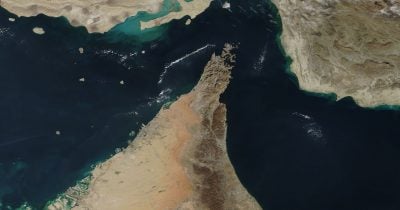
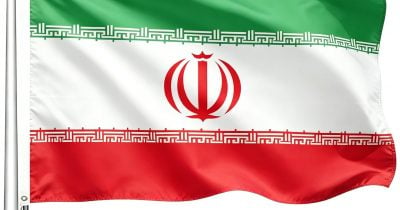
Iran has blocked the Strait of Hormuz, the narrow waterway through which roughly a fifth of the world's oil passes, and is demanding US compliance as nuclear negotiations remain stalled. The move, confirmed by shipping sources, immediately rattled global energy markets and drew sharp reactions from capitals across the Middle East and Europe.
Why the blockade happened
The blockade comes after months of deadlock in talks over Iran's nuclear program. Tehran says it will not reopen the strait until the United States meets its demands, which include lifting sanctions and guaranteeing oil exports. US officials have not publicly responded to the specific demands, but the White House called the blockade a dangerous escalation.
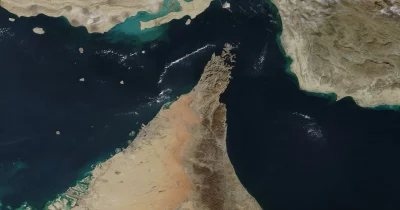
Shipping companies have already begun rerouting tankers, adding days to voyages and driving up freight costs. The strait, located between Iran and Oman, handles about 20 million barrels of crude daily. Even a short closure threatens to spike prices.
Energy markets under pressure
Oil futures jumped more than 6% within hours of the announcement, with Brent crude trading above $95 a barrel in early Asian trading. Analysts warn that a prolonged closure could push prices past $100, though no official price forecast has been issued. The blockade also complicates efforts to replenish strategic reserves in the US and Europe, which have been drawn down over the past year.
Natural gas shipments through the strait, primarily from Qatar, have also been halted. That adds strain to a global LNG market already tight from winter demand. Japan, South Korea, and India, which rely heavily on Gulf supplies, are particularly exposed.
Diplomatic fallout
The blockade has already disrupted diplomatic channels. The United Nations Security Council is expected to hold an emergency session within the next 48 hours, according to diplomatic sources. Several Gulf states, including Saudi Arabia and the UAE, have called for immediate de-escalation, while Russia and China have urged restraint but stopped short of condemning Iran.
European foreign ministers are scheduled to meet in Brussels next week to discuss a coordinated response. No concrete sanctions have been proposed yet, but options include new restrictions on Iranian shipping and further asset freezes. The US has not ruled out military action, though officials say diplomatic options remain the priority.
What happens next
The immediate question is whether Iran will accept any face-saving compromise. Talks have been stalled since early this year, and both sides have hardened their positions. Iran's leadership appears to be betting that the economic pain from a blockade will force the US to bend. The US, however, has signaled it will not negotiate under duress.
Shipping companies are holding their vessels outside the strait, waiting for clarity. Insurance rates for tankers in the region have tripled, and some carriers have already declared force majeure. The next 72 hours are critical: if the blockade holds, energy prices will keep climbing, and the diplomatic window will narrow further.