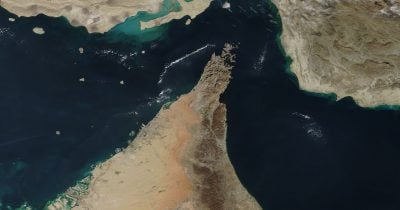
Iran has blocked the Strait of Hormuz, a critical chokepoint for global oil shipments, dramatically escalating the conflict with the United States. The move threatens to destabilize energy markets and complicates already fragile diplomatic efforts in the region.
Why the Strait Matters
The Strait of Hormuz connects the Persian Gulf to the open ocean. Roughly a fifth of the world's petroleum passes through this narrow waterway. Blocking it effectively cuts off a major artery of the global energy supply. The immediate risk is a spike in oil prices, which could ripple through economies already dealing with inflation and supply chain disruptions.
Escalation of the US-Iran Conflict
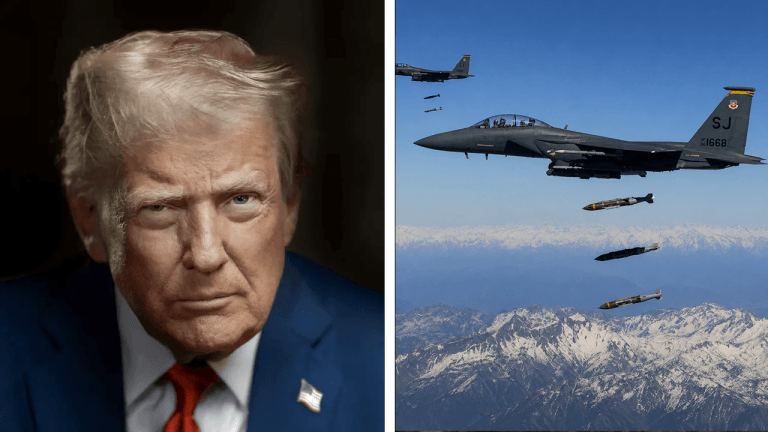
The blockade marks a significant escalation in the long-running standoff between Washington and Tehran. The US has maintained a heavy military presence in the region and has repeatedly warned against any interference with navigation. Iran's move directly challenges that posture, raising the possibility of a direct military confrontation. Diplomatic channels, already strained after years of sanctions and broken negotiations, now face an even higher hurdle.
Global Economic Risks
Beyond oil markets, the blockade threatens broader economic stability. Many countries, especially in Asia and Europe, rely on crude from the Gulf. A prolonged closure could force governments to tap strategic reserves, accelerate the shift to alternative energy sources, or trigger a recession in import-dependent nations. The International Energy Agency has not yet commented, but the risk is clear.
What Comes Next
The duration of the blockade and the response from the US and its allies remain uncertain. Naval forces in the region are on alert, but any military action carries enormous risk. For now, the world watches as the Strait of Hormuz becomes the center of a new crisis. The blockade's impact on global oil supplies and diplomatic efforts will become clearer in the coming days.