Iran has put off talks with Oman over the Strait of Hormuz, blaming complexity and outside interference for the postponement. The delay, confirmed by officials familiar with the discussions, comes at a delicate moment for the region, where shipping lanes and diplomatic channels are already under strain.
Why the Talks Were Pushed Back
Iranian authorities pointed to the intricate nature of the negotiations and what they described as interference from external parties. No new date has been announced, leaving the status of the dialogue uncertain. The talks, which were expected to address long-standing disagreements over navigation rights and security in the strait, now hang in limbo.
The decision to delay was not taken lightly, according to those involved. But the reasons cited — complexity and interference — suggest Tehran is not ready to commit to a timeline, and that outside actors may be complicating the process.
What's at Stake in the Hormuz Dispute
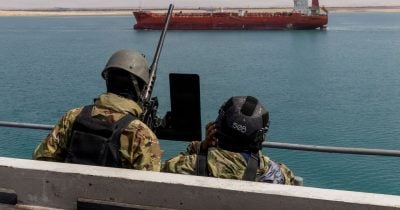
The Strait of Hormuz is a narrow waterway that carries roughly a fifth of the world's oil supply. Disputes over its control have simmered for years, with Iran frequently threatening to close it in response to sanctions or military pressure. Oman has often served as a mediator, and its quiet diplomacy has been seen as a rare channel of communication between Tehran and the West.
A prolonged delay in these talks could erode that trust. If the dispute festers, the risk of miscalculation rises, and that could unsettle oil prices and shipping insurance markets almost immediately.
Regional Tensions and Economic Ripple Effects
The postponement comes as the region already faces a volatile security environment. Any sign that diplomatic avenues are closing tends to raise concerns among traders and policymakers. Analysts watching the situation say that even a short delay can send ripples through global markets, especially if it coincides with other flashpoints.
Economic uncertainty is not limited to oil. The strait also handles liquefied natural gas and other goods, so disruption would hit supply chains far beyond energy. Diplomatic relations could also suffer, as the delay undermines confidence in the negotiating track and gives room to hardliners on all sides.
The immediate question now is whether the talks will be rescheduled at all. Iran has not offered a reason for when they might resume, and Omani officials have remained silent publicly. The next steps will likely depend on whether the interference Tehran cites is addressed, but no one is saying what that would take.
For now, the strait remains open and shipping continues. But the delay in Oman talks leaves a critical diplomatic channel in doubt, and the uncertainty itself is a cost.