Iran said it has a draft agreement with the United States that would reopen the Strait of Hormuz to shipping and lift the naval blockade there. The claim, if true, could calm global oil markets and ease a major source of tension in the Middle East. But success hinges on progress in separate nuclear talks that have stalled for months.
What the draft deal covers
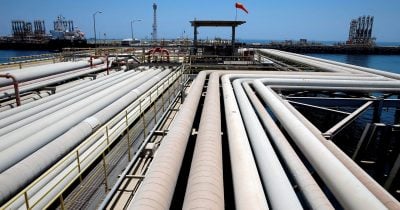
According to Iranian officials, the proposed deal focuses on restoring safe passage through the narrow waterway, through which about a fifth of the world's oil supply moves. The US has maintained a naval presence near Hormuz since early 2024, effectively blocking Iranian oil exports. The draft would end that blockade and guarantee free transit for all vessels.
Neither the US State Department nor the White House has confirmed the existence of any such draft. No American official has commented publicly on the claim. The Iranian government has not released the text or details of the proposed agreement.
Why oil markets are watching
Reopening Hormuz would remove a major risk premium from crude prices. Traders have priced in the possibility of a supply disruption from the blockade. If shipping resumes normally, analysts expect oil prices could drop by several dollars a barrel within weeks. The draft deal, if finalized, would also reduce the likelihood of a broader military confrontation in the Gulf.
Iran's oil exports have been slashed by the blockade. Restoring them would give Tehran a much-needed revenue stream. That could in turn affect its negotiating position in the nuclear talks.
Nuclear talks remain the hurdle
The draft deal is not independent of the broader nuclear negotiations. Iranian officials have said the Hormuz agreement can only move forward if there is progress on the nuclear file. Those talks, which involve the US and other world powers, have been stuck over issues like enrichment levels and sanctions relief.
Without a nuclear breakthrough, the Hormuz draft may never be signed. The US has long insisted that any easing of pressure on Iran must be linked to limits on its nuclear program. The draft deal appears to reflect that linkage, though the details are unknown.
What comes next
The next round of nuclear talks has not been scheduled. Iran says it is waiting for the US to respond to its latest proposals. The US says it is still reviewing them. Until those talks produce something concrete, the Hormuz draft remains just a claim.