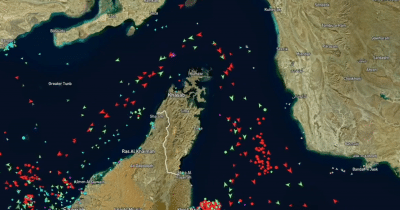
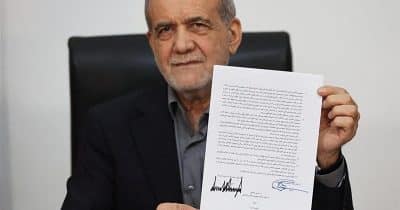
Iran has closed the Strait of Hormuz, a critical chokepoint for global oil shipments, in response to Israeli military strikes on Lebanon, according to a report from Axios. The move, if confirmed, could disrupt a fifth of the world’s daily oil supply and send shockwaves through energy markets already on edge.
The strategic chokepoint
The Strait of Hormuz, a narrow waterway between Iran and Oman, is the world’s most important oil transit artery. Roughly 21 million barrels of crude and petroleum products pass through it every day — about 20% of global consumption. Saudi Arabia, Iraq, the UAE, and Kuwait all rely on the strait to export their oil. A closure effectively blocks the Persian Gulf’s main exit to open seas.
Iran has threatened to shut the strait before during periods of heightened tension, but this is the first reported closure tied to an active conflict beyond its borders.
What the report says
Axios published the claim late Monday, citing unnamed sources. The outlet did not provide details on how the closure was enforced — whether through naval patrols, mines, or other means — nor did it specify the extent of the blockade. No official statement from Iran’s government or its Islamic Revolutionary Guard Corps has been released as of Tuesday morning.
The lack of confirmation makes it difficult to verify the report. The strait is deep and wide enough that a full closure would require coordinated military action. Iran has invested in anti-ship missiles and fast-attack boats, but whether it can sustain a blockade remains an open question.
The context: Israeli strikes on Lebanon
According to Axios, the closure followed Israeli attacks on Lebanon. Details of those strikes were not provided in the report, and Iran has not publicly linked its actions to them. But the timing suggests a direct escalation. Iran backs Hezbollah, the Lebanese militant group that has been exchanging fire with Israel for months. A broader confrontation has been brewing for weeks.
Israel has not commented on the Axios report. Lebanon’s government also has not responded.
Uncertainty in global markets
Oil prices jumped in early Asian trading on the news, but gains were limited by the uncertainty. Traders are waiting for confirmation — either from Iran, the U.S. Navy’s Fifth Fleet, which patrols the region, or independent shipping data. Tanker tracking services have not yet reported any disruptions.
The closure comes at a delicate time. The U.S. has been pressing for a cease-fire in Lebanon and a hostage deal in Gaza. A blockade at Hormuz would dramatically widen the conflict and could trigger a global energy crisis. The last time the strait was effectively closed was during the Iran-Iraq War in the 1980s.
For now, the world waits. Has Iran actually shut the Strait of Hormuz, or is this a warning shot? Without official confirmation or visible consequences in the shipping lanes, the answer remains unclear.