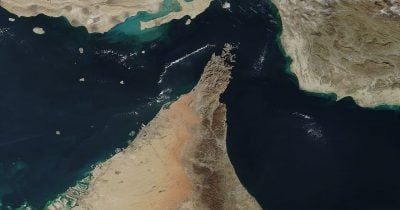
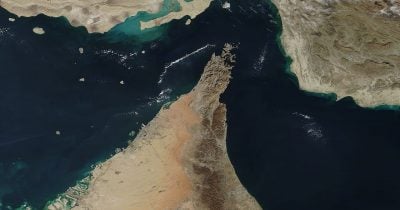
Iran has shut down the Strait of Hormuz, one of the world's most critical oil shipping lanes, and says it won't reopen until its conditions are met: a ceasefire in Lebanon and the restoration of oil waivers. The move, announced by Iranian officials, immediately ratcheted up global economic tensions and sent tremors through energy markets already on edge.
Why Iran pulled the lever
Tehran linked the closure directly to two demands. First, it wants a halt to hostilities in Lebanon, where Iranian-backed Hezbollah has been engaged in cross-border fighting with Israel. Second, it's calling for the return of sanctions waivers that allowed Iran to sell oil without penalty — waivers the U.S. had previously granted but later let expire. By tying the strait's reopening to those concessions, Iran is applying maximum economic pressure on both Washington and its regional allies.
The strait handles roughly a fifth of the world's oil supply. Closing it doesn't just squeeze Iran's own exports — it cuts off crude from Saudi Arabia, Iraq, Kuwait, the UAE, and Qatar. Tankers have nowhere to go.
Oil markets brace for shock
The immediate effect is uncertainty. Without a clear timeline for reopening, traders are pricing in the risk of a prolonged outage. Analysts had warned for months that a Hormuz closure could push oil prices well above $100 a barrel, but until now most dismissed it as a last-resort threat. That's no longer theoretical.
The impact won't be limited to oil. Insurance rates for ships in the Persian Gulf are likely to spike. Alternate routes — like the pipeline from Saudi Arabia to the Red Sea — can't handle the full volume. The world's strategic petroleum reserves may get tapped, but that's a short-term fix at best.
Regional tensions already high
This isn't happening in a vacuum. The Lebanon-Israel front has been volatile for weeks, and Iran's direct involvement has been an open question. Now Tehran has escalated by weaponizing a global chokepoint. That risks drawing in naval forces from the U.S. and its allies, who have a stated interest in keeping the strait open under international law.
Any military response — even a limited one — could turn the closure into a broader conflict. The strait is narrow, and any confrontation at sea would be dangerous for all sides.
The question now is whether the White House and European capitals will meet Iran's demands, counter with a new offer, or stand firm. A ceasefire in Lebanon alone might not be enough; the oil waiver demand is a much harder sell in Washington. For now, the strait stays shut, and the clock is ticking on a region and an economy that can't afford another crisis.